
Veterans Day 2026
On November 11, the nation pauses to thank the men and women who have served in the U.S. armed forces. Explore the history of the day, see how service members mark it, and find ways to say thank you.
Countdown to the 11th hour · 11 a.m. ET, Nov. 11, 2026
At 11 a.m. on Nov. 11, 1918, "the 11th hour of the 11th day of the 11th month," the Armistice took effect and fighting in World War I stopped. Source: VA
- U.S. veterans
- 15.7M
- Military veterans living in the U.S. in 2024, about 5.9% of civilian adults. Source: U.S. Census Bureau
- First Armistice Day
- 1919
- President Wilson proclaimed the first Armistice Day in November 1919. Source: U.S. Department of Veterans Affairs
- Renamed Veterans Day
- 1954
- Public Law 380, approved June 1, 1954, swapped "Armistice" for "Veterans." Source: U.S. Government Publishing Office
- The eleventh hour
- 11 a.m.
- The Armistice took effect at the 11th hour of the 11th day of the 11th month of 1918. Source: U.S. Department of Veterans Affairs
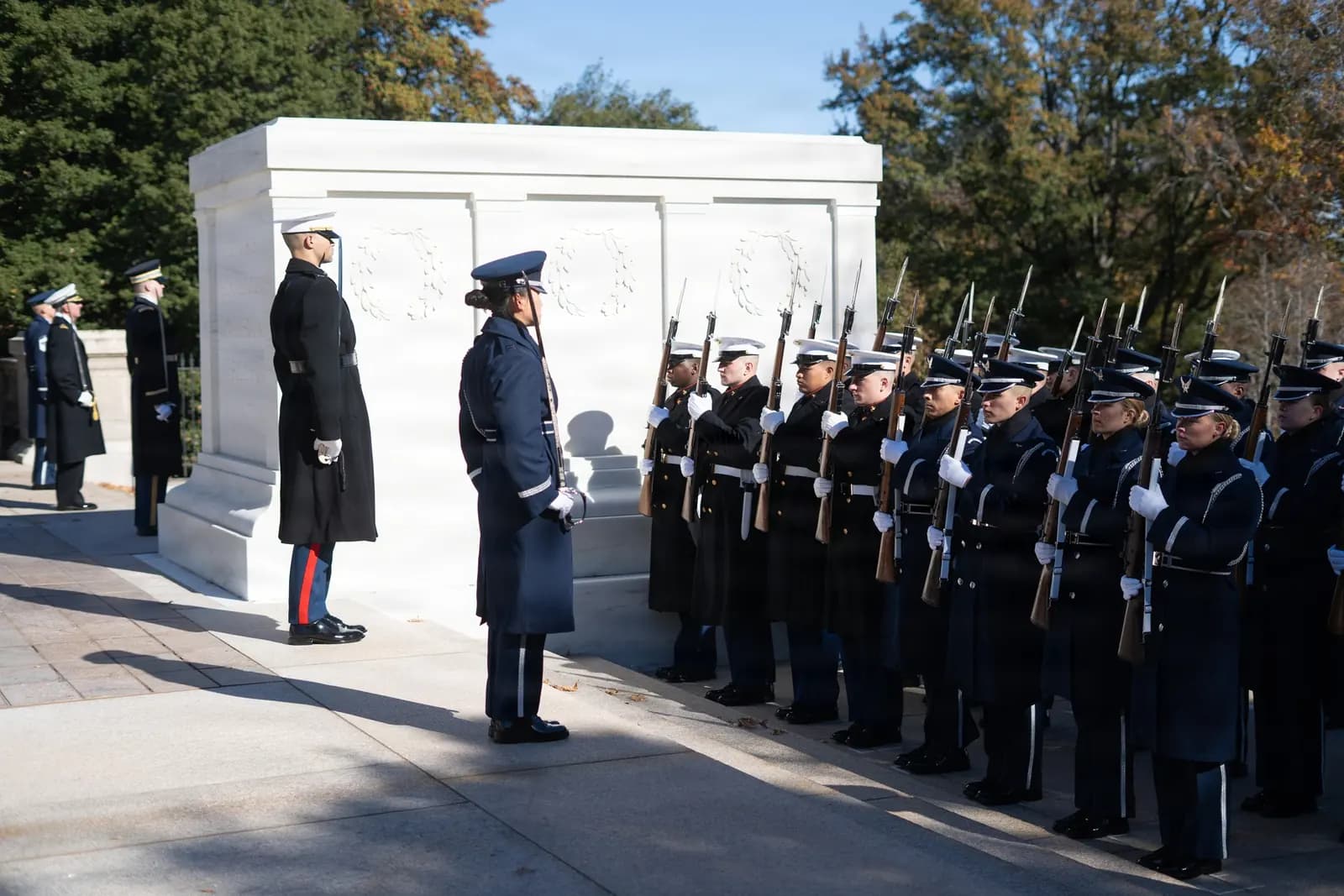
Photo: Sgt. Nathan Winter / DVIDS
- Veterans Day began as Armistice Day, first proclaimed by President Wilson in 1919.
- It's "Veterans Day," with no apostrophe. It is a day for honoring all veterans.
- World War I fighting stopped at 11 a.m. on Nov. 11, 1918.
- The Armistice was signed at 5 a.m. in Marshal Foch's railway car in France.
- About 15.7 million veterans lived in the U.S. in 2024.
- In 1938, Nov. 11 became a legal holiday dedicated to the cause of world peace.
- Public Law 380, approved June 1, 1954, renamed the day Veterans Day.
- From 1971 to 1977, Veterans Day fell on the fourth Monday in October.
- The national ceremony starts at 11 a.m. with a wreath at the Tomb of the Unknowns.
- Tomb guards take 21 steps, then pause 21 seconds, honoring the 21-gun salute.
- Veterans Day 2026 falls on Wednesday, Nov. 11.
- Memorial Day honors those who died in service. Veterans Day thanks all who served.
Presented by
Our Veterans Day Partners
Featured Partners
Veterans Day offers from the partners who help make this page possible.
- Sponsor

Navy Federal Credit Union
Banking built for the military
Open to active duty, veterans, DoD employees and their families.
Learn more (opens in a new tab) - Sponsor

Pep Boys
$50 synthetic oil change
Military Wednesdays: every Wednesday with military ID. Ends 12/31/26; qualifying ID required.
Get the offer (opens in a new tab) - Sponsor

Central Atlantic Toyota
$750 military rebate
On a select new Toyota, finance or lease, for eligible military.
Get the offer (opens in a new tab) - Sponsor

Armed Forces Mutual
Military life insurance
Affordable coverage for military families, since 1879.
Learn more (opens in a new tab) - Sponsor

Pets Best
Up to 10% off
On pet insurance for members.
Discounts available may vary by carrier and state and are subject to change.
Check out offer (opens in a new tab) - Sponsor

MetLife
VADIP dental coverage
VA dental insurance for veterans, dependents and survivors.
Learn more (opens in a new tab) - Sponsor

Talkspace
Therapy covered by TRICARE
Online therapy and psychiatry. Average TRICARE copay: $10.
Get the offer (opens in a new tab) - Sponsor

ExpertVoice
Up to 60% off 650+ brands
Garmin, Vortex, Stanley and more, plus a $20 welcome bonus.
Get the offer (opens in a new tab)
Editor's Choice
More Veterans Day Deals
Top brands' military and veteran discounts from the VeteranLife Discounts Hub, verified by our editors.
adidas
30% OFF
For active military, veterans, military spouses, and dependents
View in the hub →
HP
UP TO 40% OFF
Through the HP Frontline Heroes Store for verified military members and veterans
View in the hub →
SimpliSafe
50% OFF
a new custom home security system
Active-duty military, dependents, and veterans
View in the hub →
Puffy Mattress
$1,425 OFF
any Puffy mattress
Plus 2 free luxury pillows and 2 sleep masks
View in the hub →
Disney+
25% OFF
the annual Disney+ Premium (no-ads) subscription
Redeemed exclusively through a ShopMyExchange.com account
View in the hub →
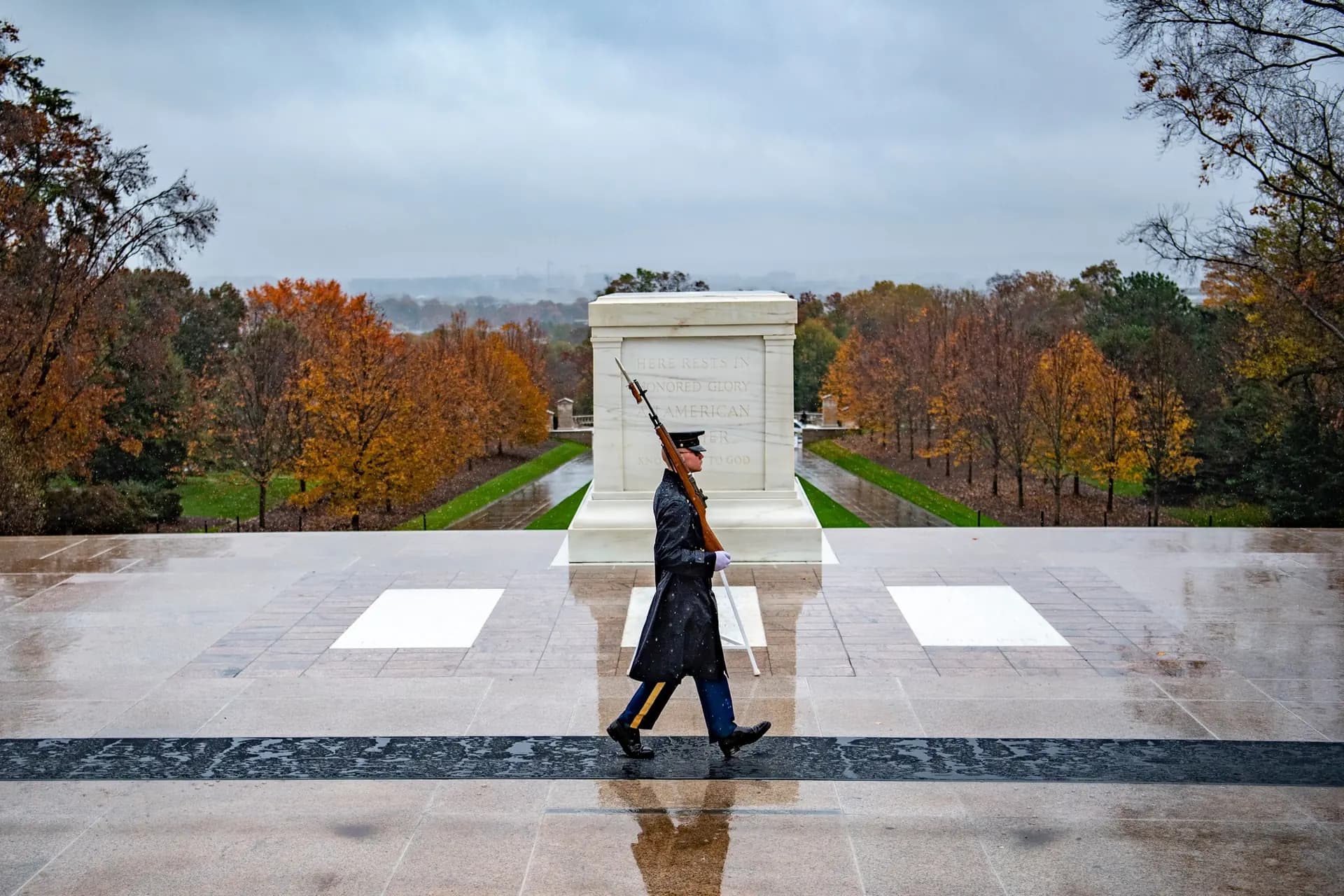
Arlington National Cemetery
The Tomb of the Unknown Soldier
Since Armistice Day 1921, the Tomb has honored service members whose remains could not be identified. Each Veterans Day, the national ceremony begins here at 11 a.m.
Photo: U.S. Army photo by Elizabeth Fraser / Arlington National Cemetery / DVIDS
Did you know?
The first Unknown
On Nov. 11, 1921, an unidentified World War I service member was buried at Arlington National Cemetery. He stands for all Americans whose remains could not be identified. Sgt. Edward F. Younger had selected him in France that October.
Source: Arlington National Cemetery: Tomb of the Unknown SoldierDid you know?
"Known but to God"
The marble sarcophagus was placed in 1932. Figures on its east side represent Peace, Victory and Valor. The west side reads "Here rests in honored glory an American soldier known but to God."
Source: Arlington National Cemetery: Tomb of the Unknown SoldierDid you know?
Unknowns from later wars
Unknowns from World War II and the Korean War were buried near the first Unknown in 1958. A Vietnam War Unknown was added on Memorial Day 1984.
Source: Arlington National Cemetery: Tomb of the Unknown SoldierDid you know?
The vacant crypt
In 1998, DNA testing identified the Vietnam War Unknown as Air Force 1st Lt. Michael J. Blassie, and, as his family wished, he was reburied at Jefferson Barracks National Cemetery in St. Louis. The crypt remains vacant. In 1999, it was rededicated to honor all missing U.S. service members from the Vietnam War.
Source: Arlington National Cemetery: Tomb of the Unknown SoldierDid you know?
The guard's walk
The Tomb Guard marches 21 steps down the black mat, turns and faces east for 21 seconds, then faces north for 21 seconds. The number 21 stands for the 21-gun salute, the highest military honor.
Source: Arlington National Cemetery: Tomb of the Unknown SoldierDid you know?
Always guarded
Soldiers first guarded the Tomb during daylight hours in 1926. Since 1937, guards have stood watch 24 hours a day, 7 days a week. The Old Guard has had the duty since 1948.
Source: Arlington National Cemetery: Tomb of the Unknown SoldierHistory
From Armistice to Veterans Day
How a World War I ceasefire became a national day to honor everyone who has served. Open each era for the events and the people behind them.
World War I began in Europe in 1914. The United States entered the war in 1917 and sent millions of troops overseas. Fighting stopped under an armistice on Nov. 11, 1918, the date we now mark as Veterans Day.
1914
War begins in Europe
World War I began in 1914 as a struggle among powerful nations, including Britain, France, Germany, Austria-Hungary and Russia. The United States stayed neutral at first.
April 6, 1917
The U.S. declares war
Congress passed a resolution declaring war on Germany, four days after President Woodrow Wilson asked for it. Two and a half years of U.S. neutrality came to an end.
June 13, 1917
Pershing arrives in France
Gen. John J. Pershing, commander of the American Expeditionary Forces, landed at Boulogne, France. He insisted on keeping American troops under one unified command.
Nov. 11, 1918
The Armistice
The Armistice was signed at 5 a.m. inside Marshal Ferdinand Foch's private railway car near Compiègne, France. It took effect at 11 a.m., the 11th hour of the 11th day of the 11th month.
1917–1918
Americans who served
About 4.7 million Americans served in World War I. The VA counts 53,402 U.S. battle deaths and 63,114 other deaths in service.
June 28, 1919
Treaty of Versailles
World War I officially ended when the Treaty of Versailles was signed in the Palace of Versailles outside Paris.
Notable figures
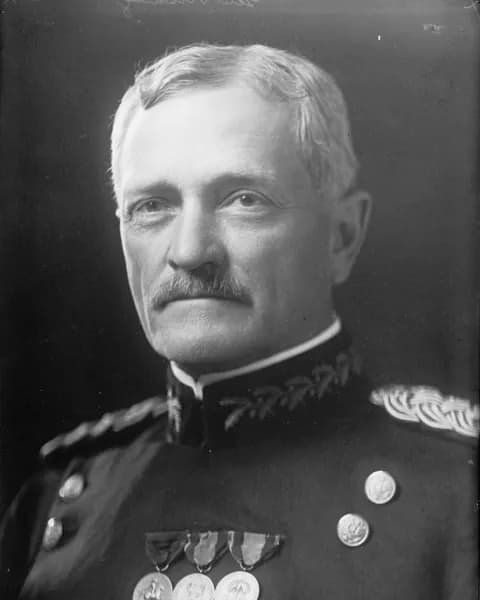
John J. Pershing
Commander, American Expeditionary Forces
1860–1948
Pershing commanded U.S. forces in France from June 1917 through the Armistice of Nov. 11, 1918.
Header photo: National Archives
After the war, Americans marked Nov. 11 with parades, public meetings and a pause at 11 a.m. In 1921, the nation buried an Unknown Soldier at Arlington on Armistice Day. By 1938, Nov. 11 was a legal holiday.
November 1919
The first Armistice Day
President Wilson proclaimed Nov. 11 as the first commemoration of Armistice Day. The plan called for parades, public meetings and a brief pause in business beginning at 11 a.m.
December 1920
A tomb for an Unknown
New York Congressman Hamilton Fish Jr., a World War I veteran, proposed burying one unknown American soldier in a special tomb at Arlington National Cemetery.
Oct. 24, 1921
Selecting the Unknown
At the city hall in Châlons-sur-Marne, France, Sgt. Edward F. Younger chose the Unknown Soldier from four identical caskets. He marked his choice with a spray of white roses.
Nov. 11, 1921
The Unknown Soldier is laid to rest
After lying in state in the U.S. Capitol, the Unknown was buried at Arlington National Cemetery. President Warren G. Harding spoke and placed the Medal of Honor on the casket. Americans nationwide observed two minutes of silence.
June 4, 1926
Congress recognizes the day
Congress passed a concurrent resolution asking the president to call for flags on government buildings and observances in schools and churches on Nov. 11. By then, 27 states had made the day a legal holiday.
May 13, 1938
A national legal holiday
An act of Congress made Nov. 11 a legal holiday each year, "a day to be dedicated to the cause of world peace" and known as Armistice Day.
Notable figures
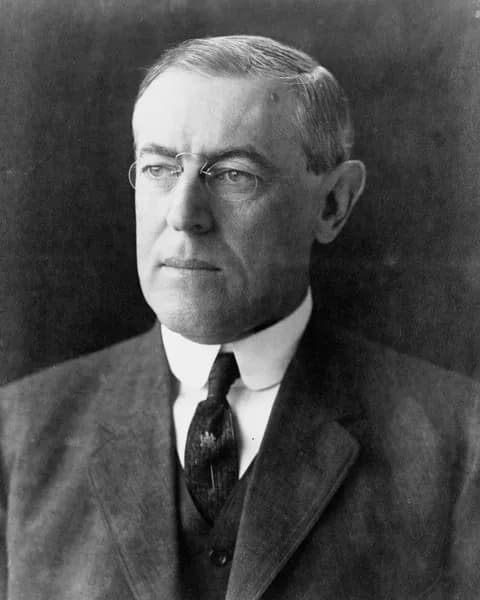
Woodrow Wilson
President of the United States
1856–1924
Wilson proclaimed the first Armistice Day in November 1919, a day planned with parades and a pause in business at 11 a.m.
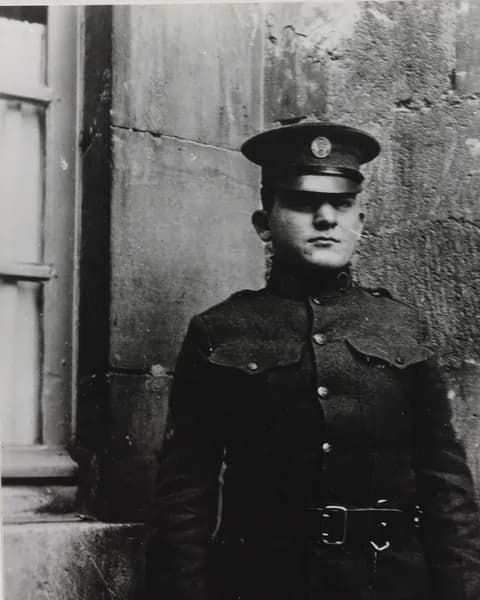
Edward F. Younger
Sergeant, U.S. Army
1898–1942
On Oct. 24, 1921, Younger chose America's Unknown Soldier by placing white roses on one of four caskets in Châlons-sur-Marne, France.
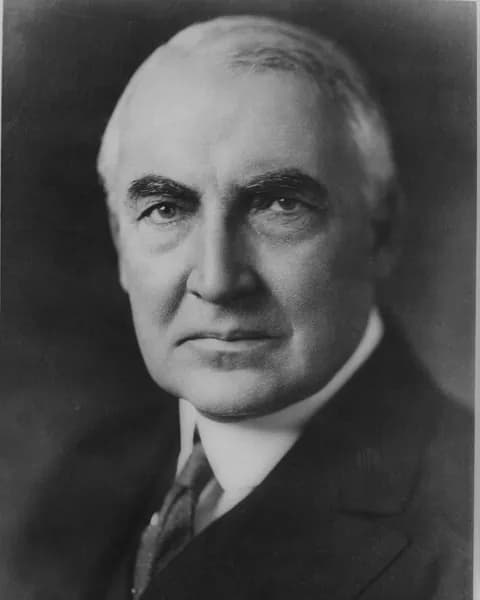
Warren G. Harding
President of the United States
1865–1923
Harding spoke at the burial of the Unknown Soldier on Nov. 11, 1921, and placed the Medal of Honor on the casket.
Header photo: Library of Congress
World War II and the Korean War brought millions more Americans into uniform. A veteran in Birmingham, Alabama, pushed for a day to honor all veterans, not only those of World War I. In 1954, Congress changed the holiday's name to Veterans Day.
1941–1945
World War II
More than 16.1 million Americans served in World War II. The VA counts 291,557 U.S. battle deaths.
Nov. 11, 1947
Birmingham's celebration
Raymond Weeks, a Navy veteran of World War II, organized a day of events in Birmingham, Alabama, to honor all who had served, not just World War I veterans.
1950–1953
The Korean War
About 5.7 million Americans served during the Korean War. The VA counts 33,739 U.S. battle deaths.
1954
Rep. Rees's bill
Inspired by Weeks, Rep. Edward H. Rees of Kansas introduced a bill to make Nov. 11 a day honoring all military veterans.
June 1, 1954
Armistice Day becomes Veterans Day
Public Law 380 of the 83rd Congress struck the word "Armistice" from the 1938 law and inserted "Veterans." Nov. 11 became a day to honor American veterans of all wars.
Oct. 8, 1954
First Veterans Day Proclamation
President Dwight D. Eisenhower issued the first Veterans Day Proclamation. He named the Administrator of Veterans' Affairs to chair a new Veterans Day National Committee.
Notable figures
Raymond Weeks
World War II Navy veteran and organizer
Weeks organized a Nov. 11, 1947, celebration in Birmingham, Alabama, honoring all veterans, an idea that grew into Veterans Day.
Edward H. Rees
U.S. Representative from Kansas
1886–1969
Rees introduced the bill that became the 1954 law changing Armistice Day to Veterans Day.
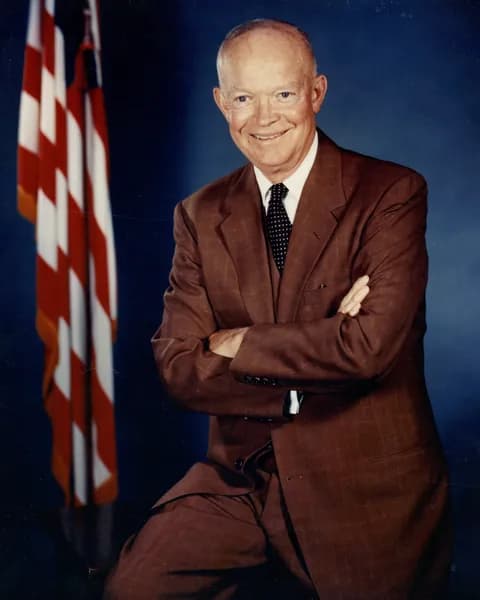
Dwight D. Eisenhower
President of the United States
1890–1969
Eisenhower signed the 1954 law creating Veterans Day and issued the first Veterans Day Proclamation on Oct. 8, 1954.
Header photo: National Archives
A 1968 law moved Veterans Day to a Monday in October to create three-day weekends. Many states kept Nov. 11 anyway. Congress returned the holiday to Nov. 11, starting in 1978.
June 28, 1968
The Uniform Holiday Bill
The Uniform Holiday Bill (Public Law 90-363) moved four holidays, including Veterans Day, to Mondays to give federal employees three-day weekends. Many states disagreed and kept the original dates.
June 28, 1968
President Johnson signs the bill
President Lyndon B. Johnson issued a statement upon signing the bill. Under the new law, Veterans Day would fall on the fourth Monday in October.
Oct. 25, 1971
The first October observance
The first Veterans Day under the new law was observed on Oct. 25, 1971, amid much confusion.
Sept. 18, 1975
Back to Nov. 11
Public Law 94-97, approved Sept. 18, 1975, set Veterans Day back on Nov. 11, effective Jan. 1, 1978. President Gerald R. Ford issued a statement on the law on Sept. 20.
Nov. 11, 1978
Nov. 11 restored
Veterans Day returned to its original date. That day, President Jimmy Carter dedicated a plaque at Arlington's Memorial Amphitheater honoring Americans who served in the Vietnam War.
Notable figures
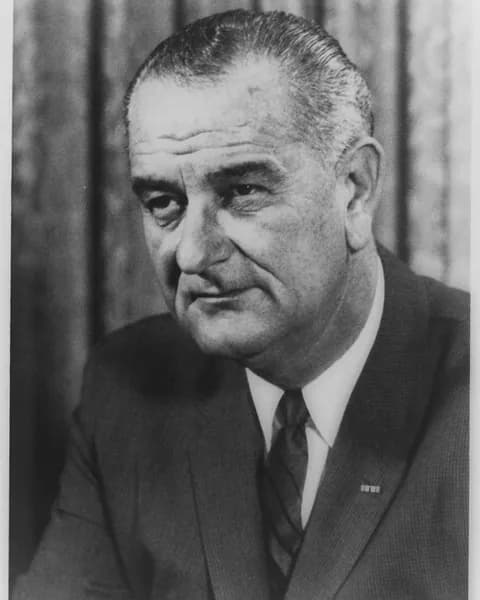
Lyndon B. Johnson
President of the United States
1908–1973
Johnson signed the 1968 Uniform Holiday Bill, which moved Veterans Day to the fourth Monday in October.
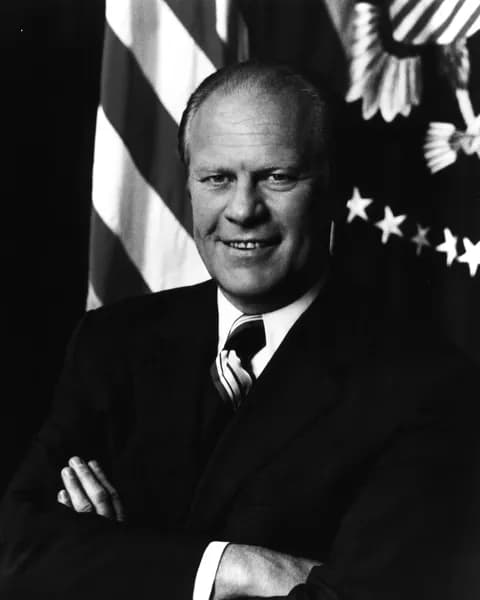
Gerald R. Ford
President of the United States
1913–2006
Ford signed Public Law 94-97 in 1975, returning Veterans Day to Nov. 11 starting in 1978.
Header photo: Gerald R. Ford Presidential Library
The Tomb of the Unknown Soldier stands on a hill at Arlington National Cemetery overlooking Washington, D.C. It began with one World War I Unknown in 1921. Unknowns from later wars were added, and soldiers have guarded it around the clock since 1937.
Nov. 11, 1921
The World War I Unknown
The first Unknown was buried on Armistice Day. At first, the Tomb was a simple marble slab.
1932
The marble sarcophagus
The Tomb's sarcophagus was placed in 1932. Its west side reads "Here rests in honored glory an American soldier known but to God."
1937
An around-the-clock guard
Soldiers first guarded the Tomb during daylight hours, starting in March 1926. In 1937, the guards became a 24/7 presence.
April 6, 1948
The Old Guard takes the watch
The 3rd U.S. Infantry Regiment, known as "The Old Guard," became the Army's official ceremonial unit and began guarding the Tomb.
May 30, 1958
World War II and Korean War Unknowns
On Memorial Day, President Eisenhower presided over the burial of Unknowns from World War II and the Korean War. He placed the Medal of Honor on each casket.
May 28, 1984
The Vietnam War Unknown
On Memorial Day, President Ronald Reagan presided over the burial of the Vietnam War Unknown at Arlington.
1998
An Unknown is identified
DNA testing identified the Vietnam War Unknown as Air Force 1st Lt. Michael J. Blassie, a pilot shot down in 1972. At his family's request, he was reburied in St. Louis. The crypt remains vacant and was rededicated in 1999 to honor all missing U.S. service members from the Vietnam War.
2021
100 years
Arlington National Cemetery marked the Tomb's 100th anniversary in 2021. It remains a powerful symbol of service and sacrifice.
Header photo: Carol M. Highsmith Archive, Library of Congress
Veterans Day is observed every Nov. 11, no matter the day of the week. It honors everyone who served honorably in the military, in wartime or peacetime. The national ceremony is held at Arlington National Cemetery.
Nov. 11, 11 a.m.
The national ceremony
The Veterans Day National Ceremony begins at 11 a.m. with a wreath laying at the Tomb of the Unknowns. It continues in the Memorial Amphitheater with a parade of colors by veterans' organizations.
Each year
The Veterans Day National Committee
Almost 50 veteran-serving organizations make up the committee, which plans the national observance. Each year, VA and the committee pick an official poster. The 2026 poster recognizes America's 250th anniversary.
Every year
When Nov. 11 falls on a weekend
Veterans Day is always Nov. 11. For most federal employees, a Saturday holiday is observed the Friday before, and a Sunday holiday the Monday after.
Every year
Veterans Day vs. Memorial Day
Memorial Day honors service members who died in service. Veterans Day thanks all who served honorably, and it is largely meant to thank living veterans.
Every year
No apostrophe
The correct spelling is "Veterans Day." It is not a day that belongs to veterans. It is a day for honoring all veterans.
Nov. 11, 2026
Veterans Day 2026
Veterans Day 2026 falls on a Wednesday. It is a federal holiday.
Header photo: Sgt. Nathan Winter / DVIDS
Branches
Every Branch, Every Veteran
Veterans Day honors those who served in every branch of the U.S. armed forces.
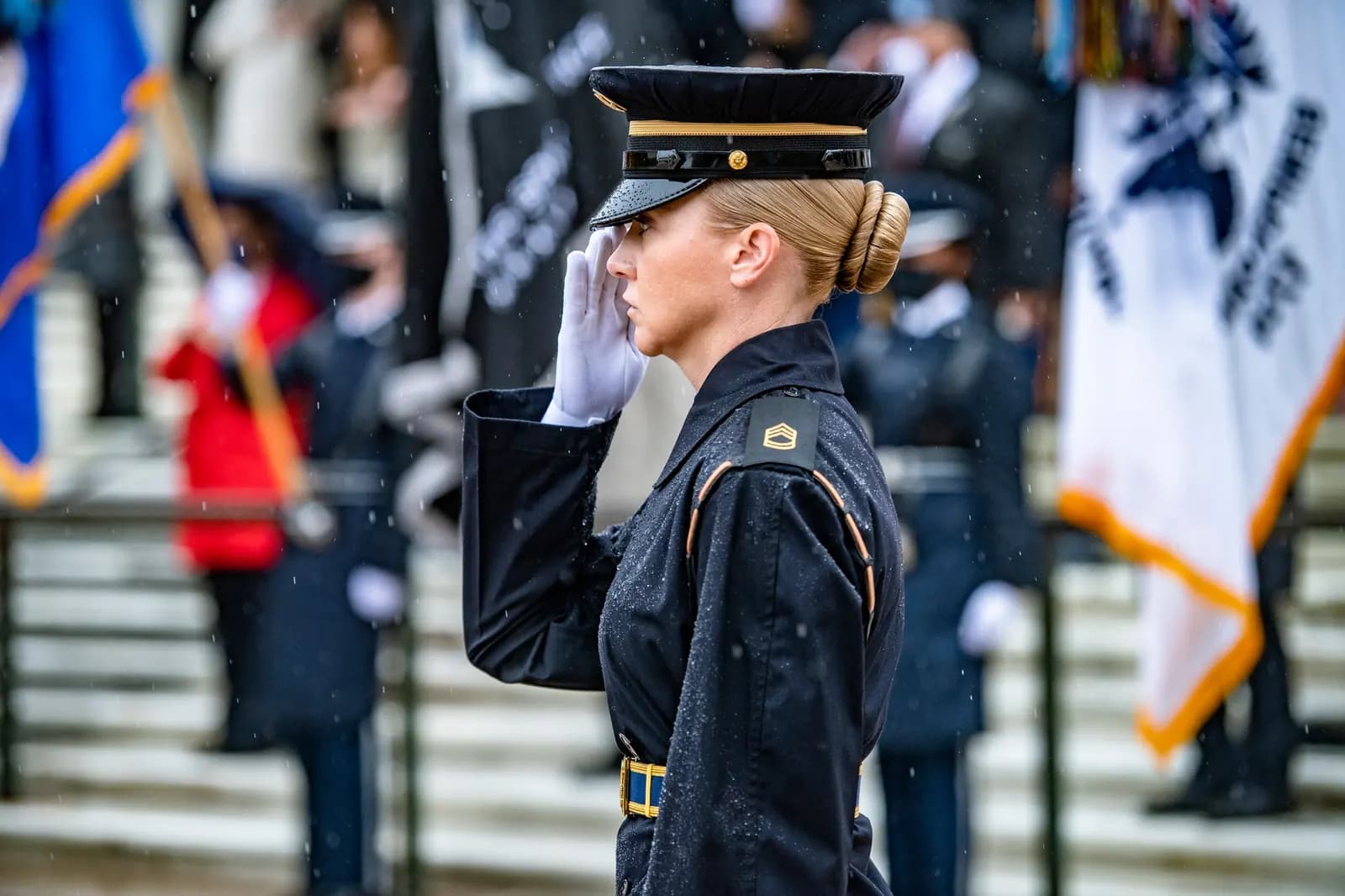
Army
Founded
“This We'll Defend”
The Army's motto dates to 1778 and appears on the Army's official seal.
More about the Army
Soldiers of The Old Guard, the 3rd U.S. Infantry Regiment, have guarded the Tomb of the Unknown Soldier since 1948.
Source: Arlington National Cemetery: Tomb of the Unknown SoldierArmy Sgt. Edward F. Younger selected America's World War I Unknown Soldier in 1921.
Source: Arlington National Cemetery: Tomb of the Unknown SoldierThe national Veterans Day ceremony at Arlington is sponsored by the U.S. Army Military District of Washington.
Source: Arlington National Cemetery: Ceremonies
Photo: Elizabeth Fraser / DVIDS
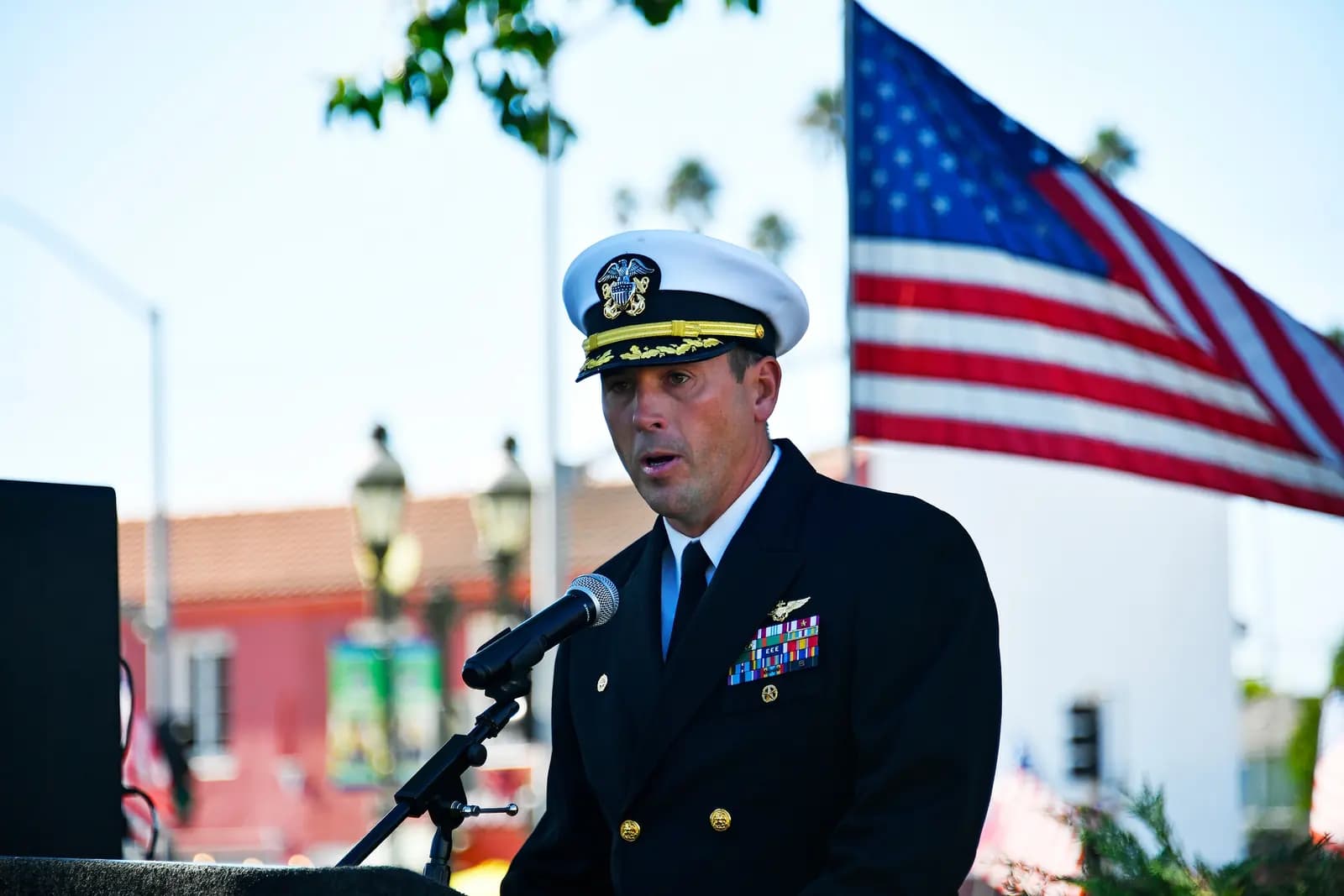
Navy
Founded
USS Olympia carried the World War I Unknown Soldier from France to Washington, D.C., in 1921.
More about the Navy
In 1958, Navy Hospital Corpsman 1st Class William R. Charette, a Medal of Honor recipient, selected the World War II Unknown aboard USS Canberra.
Source: Arlington National Cemetery: Tomb of the Unknown SoldierUnder the 1918 Armistice, German Navy vessels were disarmed and moved to neutral ports.
Source: Naval History and Heritage Command: Armistice, November 11, 1918
Photo: Lt.j.g. Drew Verbis / DVIDS
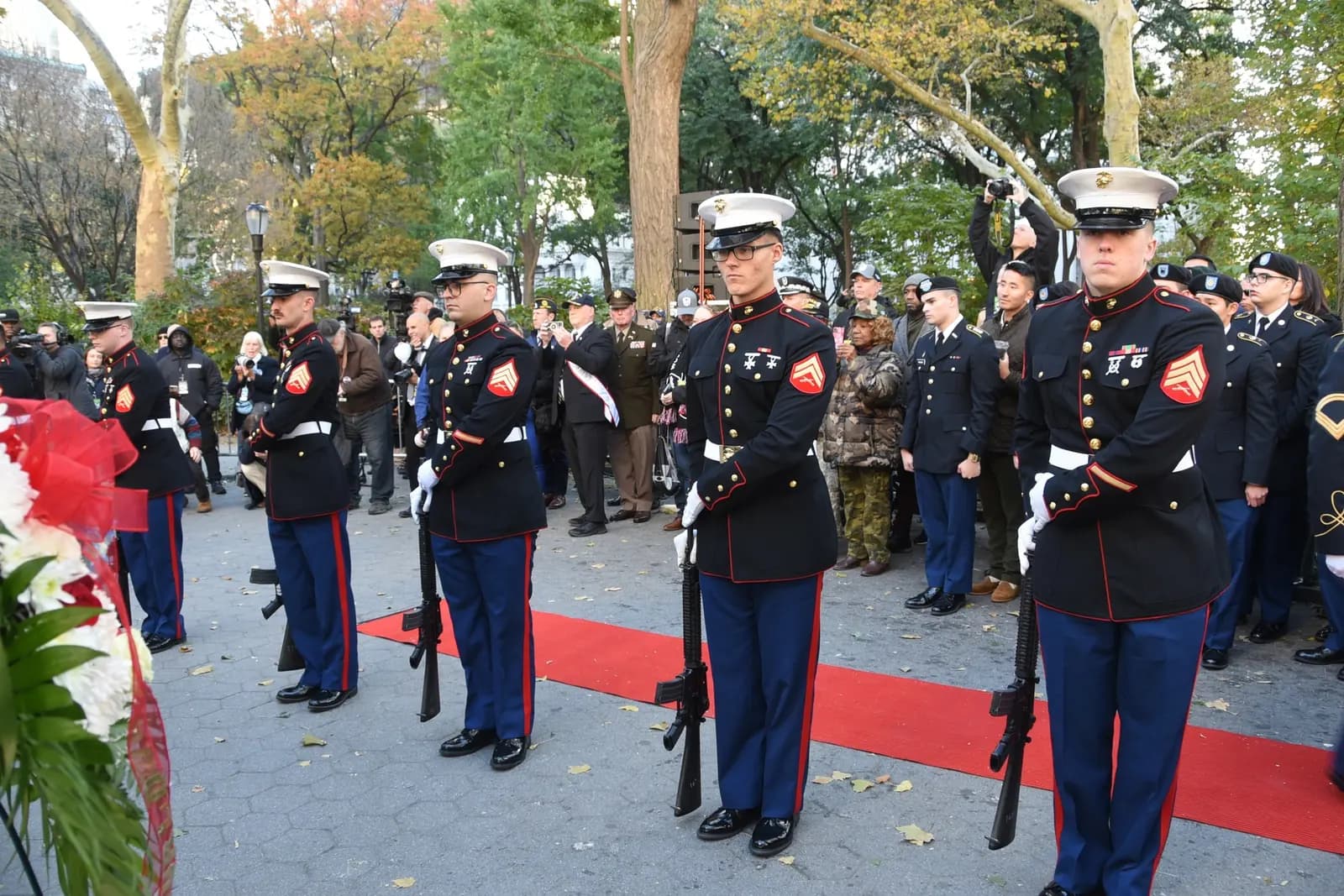
Marine Corps
Founded
“Semper Fidelis”
"Semper Fidelis" means "Always Faithful." It became the Corps' motto about 1883.
More about the Marine Corps
Before then, the Corps used traditional mottoes, starting with "Fortitudine," or "With Fortitude."
Source: Marine Corps University, History Division: The Marine Corps MottoIn 1984, Marine Sgt. Maj. Allan Jay Kellogg Jr., a Medal of Honor recipient, designated the Vietnam War Unknown.
Source: Arlington National Cemetery: Tomb of the Unknown Soldier
Photo: Mark Getman / DVIDS
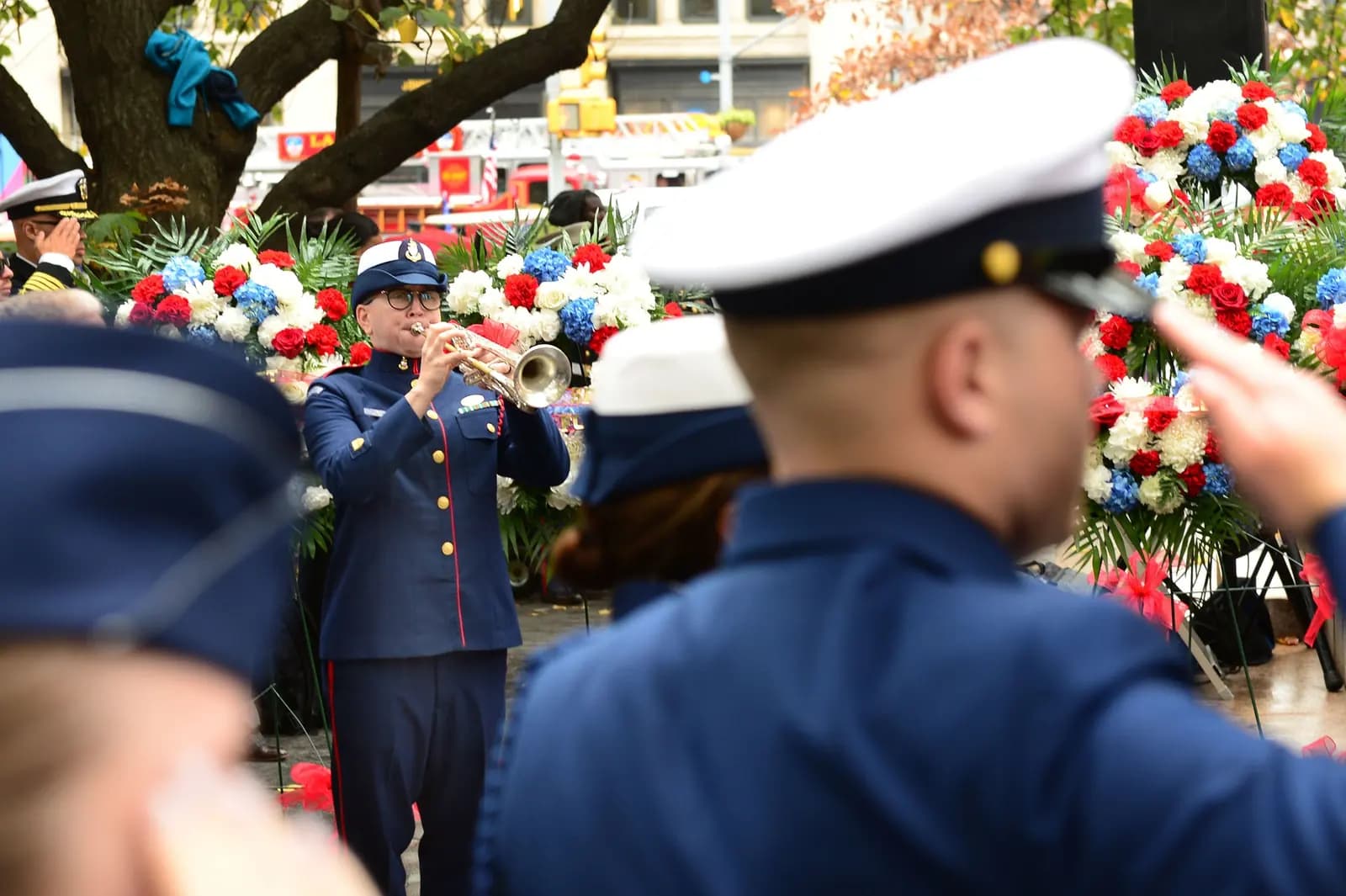
Coast Guard
Founded
“Semper Paratus”
"Semper Paratus" means "Always Ready." Capt. Francis Saltus Van Boskerck put the motto to words and music.
More about the Coast Guard
By law, the Coast Guard is a military service and a branch of the armed forces at all times.
Source: U.S. Government Publishing Office: 14 U.S.C. 101, Establishment of Coast GuardThe Coast Guard is part of the Department of Homeland Security. It can operate as a service in the Navy in wartime or when the president directs.
Source: U.S. Government Publishing Office: 14 U.S.C. 103, Department in which the Coast Guard operatesThe motto gained official recognition when it appeared on the Captain-Commandant's stationery in 1910.
Source: U.S. Coast Guard History Program: Semper Paratus
Photo: Petty Officer 1st Class Anna Liesa Hussey / DVIDS
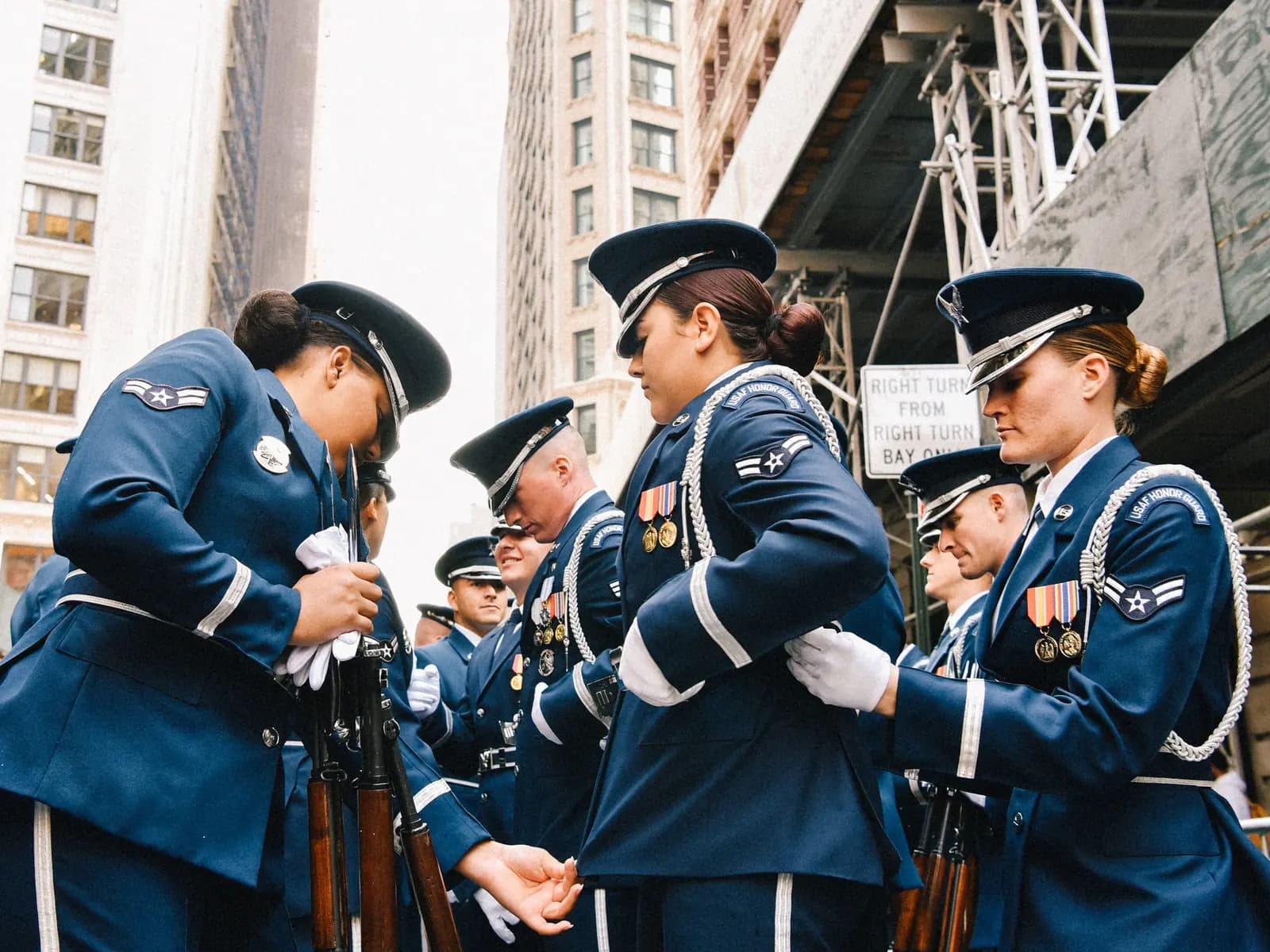
Air Force
Founded
“Aim High ... Fly-Fight-Win”
Airmen of all ranks helped choose the Air Force motto, announced in October 2010.
More about the Air Force
The motto is a call and a response: "Aim High" and "Fly-Fight-Win."
Source: U.S. Air Force: 'Aim High ... Fly-Fight-Win' to be Air Force mottoAir Force 1st Lt. Michael J. Blassie, a pilot shot down in 1972, was identified in 1998 as the Vietnam War Unknown.
Source: Arlington National Cemetery: Tomb of the Unknown SoldierIn 1958, Air Force Col. Glenn T. Eagleston chose the candidate Unknown representing the Pacific theater of World War II.
Source: Arlington National Cemetery: Tomb of the Unknown Soldier
Photo: Airman 1st Class Noah Sudolcan / DVIDS
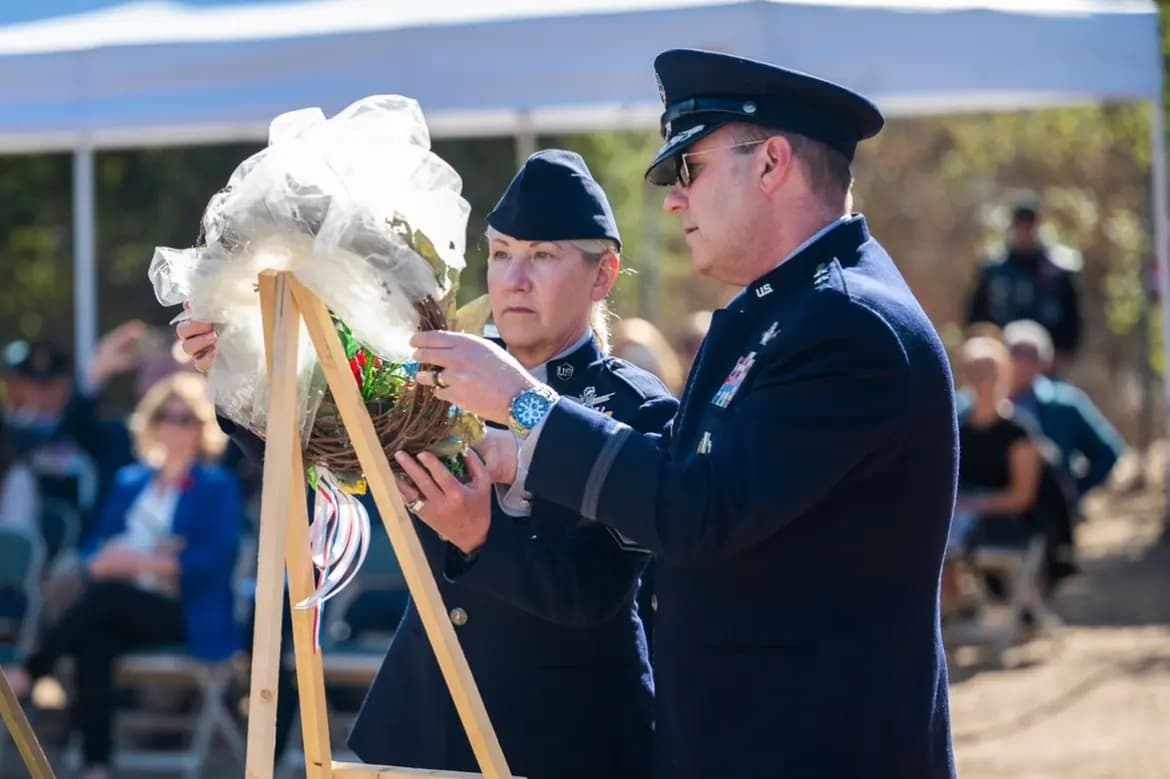
Space Force
Founded
“Semper Supra”
"Semper Supra" means "Always Above." The Space Force released its motto on July 22, 2020.
More about the Space Force
By law, the Space Force is an armed force within the Department of the Air Force.
Source: U.S. Government Publishing Office: 10 U.S.C. 9081, The United States Space ForceIts duties include providing freedom of operation for the United States in, from and to space.
Source: U.S. Government Publishing Office: 10 U.S.C. 9081, The United States Space Force
Photo: Tech. Sgt. Luke Kitterman / DVIDS
The Marine Corps birthday, November 10, falls the day before Veterans Day.
Read & Use
Articles & Tools
Stories, history and tools for Veterans Day from VeteranLife.
Veterans Day Reading


Veteran Toolbox
Video
Watch
Stories of service from the VeteranLife video team.
Photos
Honoring Those Who Served
Scenes from Veterans Day observances across the services. Photos courtesy of DVIDS.
Quiz
Test Your Veterans Day Knowledge
Ten questions on the history of the holiday.
FAQ
Veterans Day FAQ
Yes. Veterans Day, November 11, is one of the legal public holidays set by federal law. In 2026 it falls on Wednesday, November 11.
Source: U.S. Office of Personnel Management: Federal HolidaysVeterans Day itself stays on November 11. For federal employees, a holiday that falls on a Saturday is generally observed the Friday before, and one that falls on a Sunday is observed the Monday after.
Source: U.S. Department of Veterans Affairs: Veterans Day Facts and InformationVeterans Day is a Federal Reserve holiday, so many banks close or limit services. Individual banks set their own hours, so check with your bank.
Source: Federal Reserve Financial Services: Holiday SchedulesThe U.S. Postal Service observes Veterans Day as a postal holiday, so post offices are typically closed and regular mail isn't delivered. Check USPS for local exceptions.
Source: USPS: Postal Holidays"Veterans Day," with no apostrophe. It isn't a day that belongs to veterans; it's a day for honoring all veterans.
Source: U.S. Department of Veterans Affairs: Veterans Day Facts and InformationIt marks the anniversary of the armistice that ended fighting in World War I, which took effect at 11 a.m. on November 11, 1918. Congress moved the holiday to a Monday in 1968 but returned it to November 11 beginning in 1978.
Source: U.S. Department of Veterans Affairs: History of Veterans Day