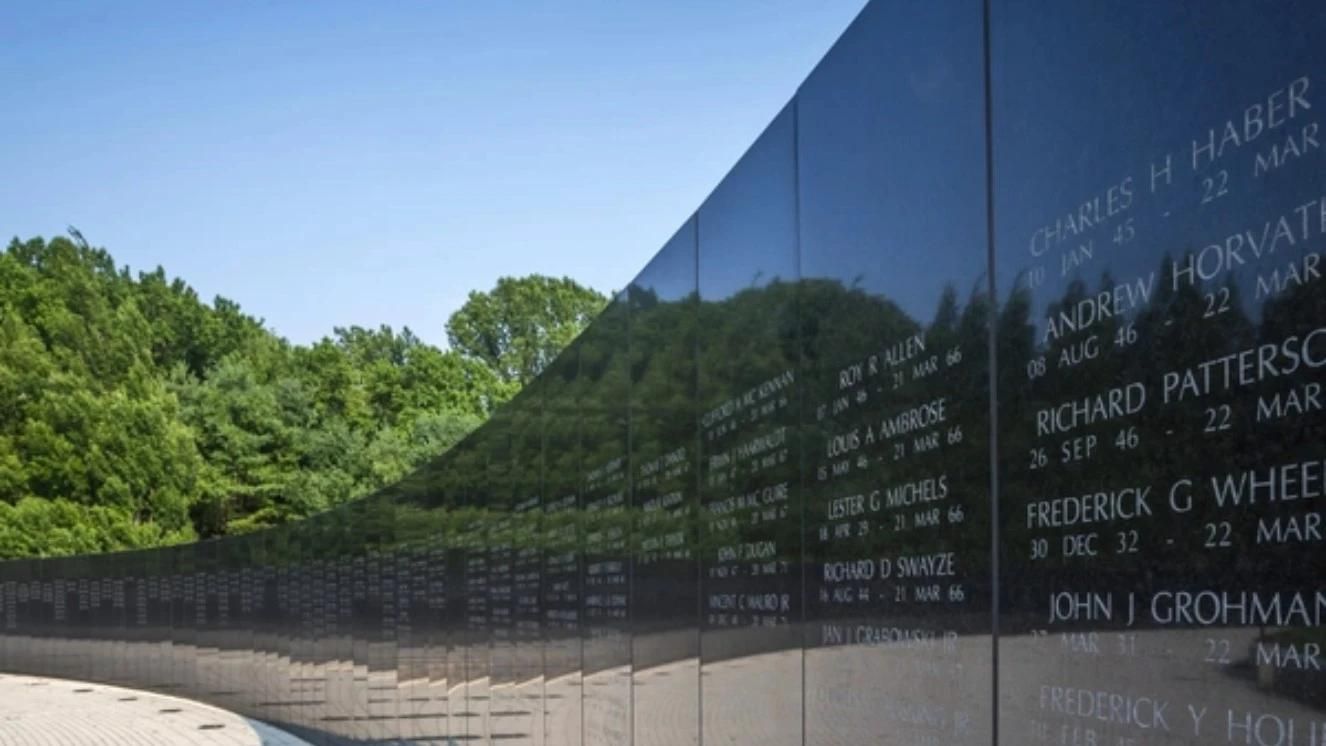
WWII Memorial in Washington to Close for Five Months for Infrastructure Upgrades

Most Veterans can picture the WWII Memorial instantly: the fountains, the night lighting, the gold stars, the Honor Flight buses pulling up at dawn. For more than two decades, it was one of the most reliable stops on the National Mall, always open, always lit, always ready.
In January 2026, that mental map paused. Visitors arrived to find fencing, equipment, and a fully closed memorial. Some families had saved for years to bring an aging parent. Others were on early-season Honor Flight Network trips. Instead of a reflection pool, they found construction gates and a timeline.
This is the part of remembrance most Veterans never saw during service — the maintenance, the infrastructure, the systems that keep national memory functioning.
Aging Infrastructure Meets National Symbolism
On January 9, 2026, the National Park Service closed the entire WWII Memorial to modernize the electrical and mechanical systems that power its fountains and lighting. The agency cited aging infrastructure, visitor safety, and reliability as the drivers behind the closure.
The project is funded through a nearly $3.7 million contract and, weather permitting, will be completed by May 15, 2026, ahead of Memorial Day crowds.
Mechanically, the reason is simple: exposed lighting, pumps, wiring, and fountain systems don’t last forever. After 22 years of continuous operation and heavy foot traffic, components had reached the end of their life. Replacing them required a full shutdown, not a patch.
Timing also intersected with the national context. In its announcement, NPS noted that the work supports executive orders aimed at improving Washington, D.C.’s safety and appearance ahead of America’s 250th anniversary, a milestone that will bring millions of visitors, ceremonies, and international attention.
Those pressures didn’t create the maintenance need, they finally aligned the conditions to address it.

What Veterans Were Conditioned to See in Uniform
If you served at any point after 2004, the WWII Memorial existed as a constant. Promotion tours, TDYs, morning runs, retirement trips, and Honor Flight arrivals reinforced the idea that the memorial would always be there, fully functioning, no matter what.
There was no briefing on pumps, wiring, water systems, safety codes, or replacement schedules. The mechanical side of memory wasn’t part of the experience, and that’s by design. Veterans received the outcome, not the process.
This isn’t unique to monuments. The same dynamic shows up in other systems veterans encounter after separation: VA disability claims processing, military burial honors, national cemeteries, Memorial Day ceremonies, and similar institutions tied to recognition and memory.
During service, those systems are invisible. After service, they become unavoidable.
The Moment When Systems Become Visible
The 2026 fence line made the system impossible to ignore.
Families who planned once-in-a-lifetime trips arrived at closures. Early-season Honor Flight Network groups had to shift itineraries. Older Veterans and caregivers with tight travel windows faced the reality that this might be their only opportunity.
For many, this was the first hint that national memory isn’t just emotional — it’s logistical. Remembrance requires:
- Infrastructure that ages
- Components that break
- Contractors and permits
- Funding and timelines
- Weather and inspections
- Target dates and civic deadlines
Those realities rarely enter the conversation in uniform. The symbolism is the point. The system exists to protect it, until it temporarily replaces it.
How National Memory Actually Works
The WWII Memorial closure revealed a truth Veterans don’t typically learn until later: remembrance relies on infrastructure.
Infrastructure has rules:
- It reaches end-of-life: Lighting systems and mechanical equipment from 2004 were not built for a permanent lifespan.
- It requires closures: Public safety means you can’t run high-voltage repairs under crowds.
- It requires funding: The $3.7 million contract didn’t materialize overnight; it flowed from planning and appropriations.
- It requires timing: Aligning repairs before Memorial Day 2026 and the America 250th events is strategic, not symbolic.
This is how we preserve the meaning of our most precious memorials.

Veterans See the Impact After Service
Once out of uniform, Veterans encounter the Mall as civilians, not as service members on a formation run with time to spare.
That’s when practical questions show up:
- Will the memorial be open?
- Will it be accessible for wheelchairs or walkers?
- Will the fountains be running?
- Will the lighting work for evening ceremonies?
- Will we get to see it at all?
For WWII, Korea, and Vietnam-era veterans traveling with Honor Flight groups, timing is everything. Spring 2026 fell inside the closure window. Not every veteran has another season to wait.
That’s the part no one explained out loud. Remembrance is physical, and physical things need upkeep.
The Real Takeaway for Veterans
The WWII Memorial will reopen. Fountains and lighting will return. Honor Flights will resume their early arrivals.
The key takeaway during this repair phase is not a change in what the memorial means, but an abrupt new visibility into the physical systems that support national memory. For veterans, the closure highlighted that symbols endure because a hidden infrastructure makes them possible, and that both the meaning and its maintenance deserve recognition.
Veterans were conditioned to experience the symbolism. The closure revealed the machinery. Once you’ve seen it, the National Mall is transformed: not less meaningful, but more tangible and authentic. The key is that seeing the truth behind the symbols changes perception, making the place feel real but still significant.
Join the Conversation

BY NATALIE OLIVERIO
Veteran & Senior Contributor, Military News at VeteranLife
Navy Veteran
Natalie Oliverio is a Navy Veteran, journalist, and entrepreneur whose reporting brings clarity, compassion, and credibility to stories that matter most to military families. With more than 100 published articles, she has become a trusted voice on defense policy, family life, and issues shaping the...
Credentials
Expertise
Natalie Oliverio is a Navy Veteran, journalist, and entrepreneur whose reporting brings clarity, compassion, and credibility to stories that matter most to military families. With more than 100 published articles, she has become a trusted voice on defense policy, family life, and issues shaping the...