What the VA’s $77M Cemetery Grant Says About How Vets Are Honored Long After Service

When the Department of Veterans Affairs announced more than $77 million in cemetery grants for fiscal year 2025, public attention naturally focused on new burial spaces, expanded capacity, and Alaska establishing its first state Veterans cemetery. Those details matter. But beneath the surface is a deeper realization about how the United States honors service at the end of life, and how that honor is engineered over decades, not days.
How Veteran Burial Access Works After Separation
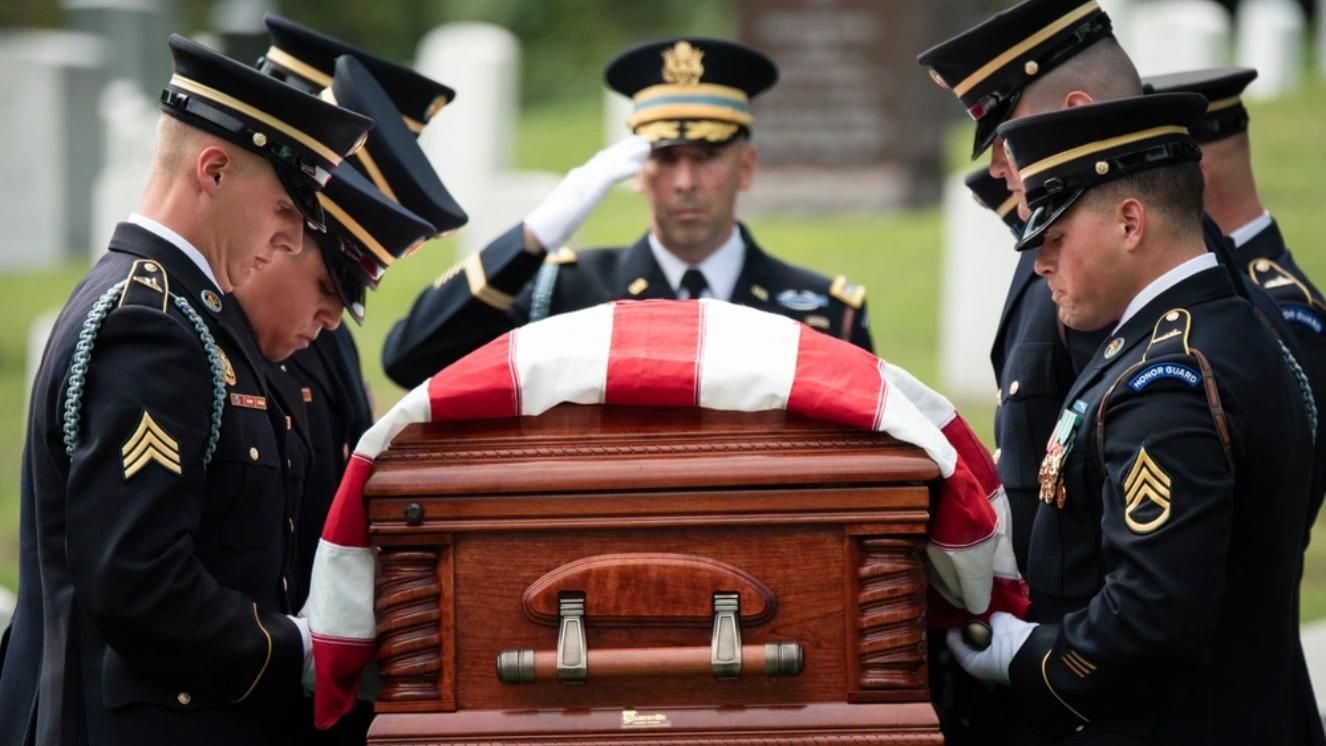
In uniform, burial and memorial honors often appear seamless. Military funerals on active-duty are supported through the Department of Defense casualty assistance system, which provides dedicated officers to guide families through decisions, benefits, and military honors. This direct, structured approach often creates a lasting impression that when the time comes, things will be taken care of.
After separation, this support doesn’t disappear; it changes form. Burial support transitions from a military-managed system to VA burial benefits that operate through eligibility, claims, and cemetery infrastructure.
Most Veterans never interact with this system until a family member dies or a spouse begins planning, which is when the quieter architecture behind Veteran burial access becomes much more visible.

How the VA and National Cemetery Administration Plan & Fund Veteran Burial Access
Today’s Veteran burial system is built across federal cemeteries and state, territorial, and tribal Veterans cemeteries supported through federal grants. The National Cemetery Administration maintains eligibility standards, manages benefits, and plans for long-term capacity. States and tribal nations build and operate their own cemeteries using federal grants for construction, expansion, and infrastructure improvements.
VA Secretary Doug Collins said, “Veterans cemeteries keep the memories of America’s heroes alive,” emphasizing the department’s commitment to ensuring that cemeteries have the resources needed to provide memorial benefits and services to Veterans and their families.
The $77 million awarded for fiscal year 2025 supports 21 state Veterans cemetery projects, including the establishment of Alaska’s first state Veterans cemetery. These funds help establish new grounds, expand existing burial capacity, add niches for cremated remains, and upgrade infrastructure so cemeteries remain accessible for future generations. Many of these projects serve communities that previously relied on cemeteries located hours away, reinforcing the reality that burial access is often geographic before it is emotional.
This long-term planning and investment keep most Veterans within a reasonable distance of cemeteries that honor their service, a reality that does not happen automatically, but through deliberate partnership and sustained funding.
What Veterans Learn About Burial Benefits After Separation
While the commitment to burial benefits remains strong, their structure changes once a Veteran becomes a civilian. Families interact with funeral homes, cemetery administrators, and VA regional offices rather than military commands. Burial allowances become reimbursements. Eligibility becomes a clear and specific standard rather than an assumption.
Awareness of these benefits is also a point of emphasis for the VA. Under Secretary for Memorial Affairs Matthew Quinn said,
“I want even more veterans and family members to know about and take advantage of the final benefits a veteran earns for their service.”
His observation reflects that while burial benefits are robust, they are not always well-known until families need them.
Many Veterans learn the specifics of eligibility only when faced with the choice between a national cemetery, a state Veterans cemetery, and a private cemetery.
Eligible Veterans should know that they are entitled to:
- Gravesite
- Opening and closing of the grave
- Perpetual care
- Government-furnished headstone or marker
- Burial flag
- Presidential Memorial Certificate
VA burial allowances do not include funeral home services or caskets. These allowances are fixed statutory amounts intended to offset expenses and are paid after claims are processed. These are features of a system designed for civilian life, where families make decisions, and the VA provides structured benefits.

The Long-Term Infrastructure Behind VA Cemeteries, Burial Benefits, and Perpetual Care
Behind every headstone and columbarium niche is a long-term infrastructure built for continuity. Perpetual care is a funded commitment to maintain burial grounds indefinitely. Pre-placed crypts, drainage systems, roads, and committal shelters are engineered components that allow cemeteries to operate reliably across decades.
This infrastructure supports the value of grant awards. Without continued investment, burial access would become a question of available space rather than honor. The $77 million allocation signals that burial infrastructure isn’t static. It evolves with demographics, geography, and cultural changes in how Americans handle end-of-life decisions.
Most Veterans do not meaningfully interact with burial benefits until they become actively involved with funeral planning. This is when claims processes, cemetery scheduling, and eligibility documentation come into focus.
Families navigating grief also navigate decisions about travel, committal services, headstone inscriptions, and how burial benefits intersect with funeral home arrangements. In these moments, the system's design reveals itself as structured, consistent, and intentionally separate from active-duty casualty support.
This doesn’t diminish confidence in the system. Instead, it reframes it. Veterans who once saw burial honors as automatic military functions now see them as long-term federal guarantees activated when needed.
What the Grant Reveals About the Modern Burial System
The new grants do not introduce new benefits. They sustain an existing system that honors service through infrastructure, land, eligibility, and continuity. They underscore that VA burial allowances, headstones and markers, and cemetery access are part of a national framework that serves families at a moment when administrative clarity matters.
They also highlight something many Veterans do not fully realize until later in life: the final duty station is not just a cemetery, but a lasting promise fulfilled. It stands as a visible, enduring testament to a nation’s gratitude: deliberate, dignified, and preserved by unbroken commitment.
For every Veteran and family, it means long after service ends, honor is not forgotten, but actively kept, cared for, and respectfully ensured, generation after generation.
Continue Reading

Your Guide to VA Burial Benefits in 2024 (Updated)
Veteran Benefits
Homeless Veterans Burial Program Ensures Dignified Rest
Veteran Benefits

The VA Benefits Most Veterans Don’t Learn About Until It’s Too Late
Veteran Benefits
Join the Conversation

BY NATALIE OLIVERIO
Veteran & Senior Contributor, Military News at VeteranLife
Navy Veteran
Natalie Oliverio is a Navy Veteran, journalist, and entrepreneur whose reporting brings clarity, compassion, and credibility to stories that matter most to military families. With more than 100 published articles, she has become a trusted voice on defense policy, family life, and issues shaping the...
Credentials
Expertise
Natalie Oliverio is a Navy Veteran, journalist, and entrepreneur whose reporting brings clarity, compassion, and credibility to stories that matter most to military families. With more than 100 published articles, she has become a trusted voice on defense policy, family life, and issues shaping the...