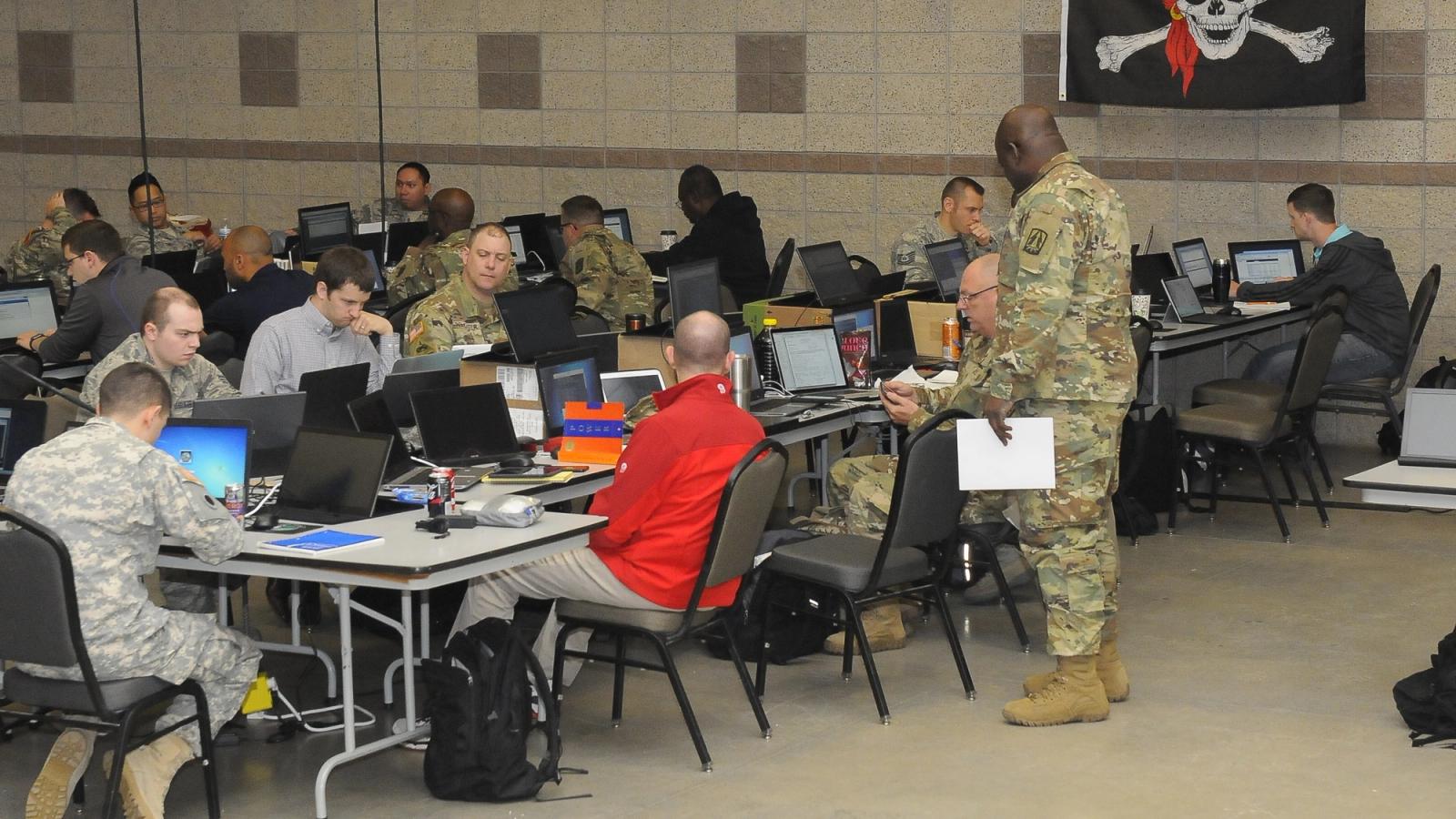
The Federal Government Is Short on Cyber Defenders, and Veterans Are Being Recruited to Help

Washington has a cyber-hiring problem, and officials know it. Across the federal government, agencies responsible for securing national networks and critical infrastructure are struggling to fill cybersecurity roles. Lawmakers, national security officials, and workforce experts warn that the shortage, which involves tens of thousands of open positions, may weaken the nation’s digital defenses.
For Veterans leaving military service, that shortage may also represent one of the fastest-growing career opportunities inside the federal workforce. At the same time, the federal government has access to one of the most experienced talent pools in the country.
Military Veterans.
From the Pentagon to the Department of Homeland Security, hiring officials are increasingly looking to Veterans, especially those with security clearances and technical experience, to help close one of the federal government’s most persistent workforce gaps.
Federal Cyber Workforce Shortage Is Now a National Security Concern
Cybersecurity has quietly become one of the hardest jobs for the federal government to fill. Oversight agencies have warned for years that federal departments lack enough trained professionals to defend government systems from cyberattacks and digital espionage.
A 2025 report from the Government Accountability Office found federal agencies still struggle to effectively track and manage their cybersecurity workforce. The report noted that several earlier GAO recommendations aimed at improving cyber workforce planning remain unresolved.
The GAO estimates that the federal cybersecurity workforce includes more than 63,000 employees, but it is unclear how many are in specialized cyber positions, and agencies continue to report difficulty recruiting and retaining experienced cyber professionals.
As cyber threats grow more sophisticated, that gap is increasingly seen as a national security risk.

The Pentagon Alone Is Short More Than 20,000 Cyber Professionals
The Department of Defense faces one of the largest cyber talent shortages in the federal government sector. Workforce reporting has identified a gap of more than 20,000 cybersecurity professionals across the defense enterprise, impacting missions such as network defense, cyber operations, intelligence analysis, and cyber battlefield capabilities. This number represents a significant portion of unmet cyber labor needs within federal agencies.
The scale of the shortage has drawn attention from lawmakers in Congress, who have introduced legislation directing the Pentagon to examine its recruitment, training, and retention of cyber professionals.
Analysts and federal workforce reporting also describe cyber staffing shortages across the larger defense ecosystem as reaching into the tens of thousands, showing how difficult it has been for government agencies to compete with private-sector cybersecurity salaries.
Federal Leaders Are Pushing a Cyber Hiring Surge
Federal leaders know the cyber workforce shortage is not going away anytime soon. In response, the White House launched a national effort to strengthen the country’s cybersecurity workforce.
The National Cyber Workforce and Education Strategy, developed by the Office of the National Cyber Director, outlines plans to expand hiring pipelines, strengthen cybersecurity education programs, and accelerate federal recruitment.
The strategy includes:
- Federal cyber hiring sprints
- Expanded cybersecurity training programs
- Streamlined hiring authorities
- Targeted recruiting from military and Veteran communities
Implementation reports specifically identify Veterans and transitioning service members as priority recruiting populations for federal cybersecurity careers.

Why Veterans Are One of the Government’s Top Cyber Talent Pools
Veterans often bring something many civilian applicants do not. They often hold security clearances, bring operational experience, and have direct, hands-on experience with mission-critical systems. Those advantages matter because security clearances can take months, sometimes years, to obtain for civilian candidates at the initial stages of the background investigation process.
Veterans leaving the military with active or recently held clearances can often transition into cyber roles faster because agencies do not need to restart the clearance process.
Veterans also remain a major part of the federal workforce. The Office of Personnel Management’s FY2024 Veterans employment report shows that federal agencies hired 56,318 Veterans into civilian positions in 2024, and 63,129 in the year prior (2023), demonstrating that Veterans make up a notable share of total federal hires.
DHS Created a Specialized Cyber Hiring System
Some agencies have begun experimenting with hiring systems designed specifically for cybersecurity talent. The Department of Homeland Security established the Cybersecurity Talent Management System (CTMS) to recruit and retain cyber professionals outside traditional federal hiring structures.
The system allows DHS to offer:
- Faster hiring timelines
- Specialized cyber career tracks
- More flexible compensation ranges
- Alternative hiring authorities
The federal rulemaking establishing the system allows DHS to tailor recruiting strategies for preference-eligible candidates, including Veterans.
What Federal Cyber Jobs Pay
Cybersecurity roles in government typically fall within GS-12 through GS-14 pay grades, depending on experience and specialization.
Typical salary ranges include:
- Cybersecurity Specialist: $95,000 – $135,000
- Cyber Threat Intelligence Analyst: $105,000 – $150,000
- Senior Cyber Operations Lead: $120,000 – $165,000
Specialized hiring authorities such as DHS’s CTMS can allow salaries approaching $190,000 for highly experienced cyber professionals.
Military Benefits Eligibility Checker
Answer a few questions to discover which military and VA benefits you or your family may be eligible for.
10 questions · ~2 min
Why This Matters for Veterans Right Now
For Veterans leaving military service, the federal government’s cyber workforce shortage could create one of the most accessible pathways into a high-demand career field. Many federal cyber roles prioritize candidates who already understand mission-driven environments and national security systems, experiences that many service members gain during military service.
Veterans may also have advantages that civilian applicants usually lack:
- Active or recently held security clearances
- Experience operating inside classified networks
- Training from military cyber, intelligence, communications, or IT roles
- Familiarity with federal systems and operational security
Those advantages can greatly shorten hiring timelines for agencies trying to fill critical cybersecurity positions.
For Veterans transitioning into civilian careers, that demand may translate into stable, mission-driven employment with strong salaries and ongoing growth potential.
Veterans interested in federal cyber careers can search open positions through the government hiring portal at USA Jobs.
Programs that help Veterans transition into cyber careers include:
The Mission Doesn’t End When Active Duty Does
For many Veterans, moving into cybersecurity does not feel like leaving service. It feels like an extension of it.
The battlefield may be digital instead of physical, but the mission remains familiar: protecting the systems and infrastructure the country relies on every day.
While cyber threats continue to evolve, federal agencies will continue to search for professionals capable of defending those systems. Veterans with technical skills and mission-focused experience may be leading the next mission on the digital front lines of national security.
Continue Reading
7 Federal Cybersecurity Jobs Veterans Can Apply for Right Now, As the Pentagon Scrambles to Fill 20,000 Roles
Military Retirement

Veteran Job Resources Amid Federal Workforce Cuts
Military Retirement

Finding the Best Government Jobs for Veterans After the Military
Career
Join the Conversation

BY NATALIE OLIVERIO
Veteran & Senior Contributor, Military News at VeteranLife
Navy Veteran
Natalie Oliverio is a Navy Veteran, journalist, and entrepreneur whose reporting brings clarity, compassion, and credibility to stories that matter most to military families. With more than 100 published articles, she has become a trusted voice on defense policy, family life, and issues shaping the...
Credentials
Expertise
Natalie Oliverio is a Navy Veteran, journalist, and entrepreneur whose reporting brings clarity, compassion, and credibility to stories that matter most to military families. With more than 100 published articles, she has become a trusted voice on defense policy, family life, and issues shaping the...