Veteran Wellness After the Uniform: Why Simplicity Matters Most

Have you ever been caught in strong surf?
Not the kind you admire from the shoreline; the kind that knocks the wind out of you. Waves hit hard and fast, relentlessly, tumbling you under again and again before you’ve fully found your footing.
You’re not drowning. But you are getting worked. Disoriented. Exhausted. Fighting just to stand back up. That’s what wellness can feel like after the uniform comes off. Not because Veterans lack discipline, but because when structure disappears, the noise rushes in, and it can get loud, fast.
Supplements. Programs. Protocols. Powders, patches, injections, and “breakthroughs” promising to fix everything from energy to metabolism to motivation, including problems you didn’t even know you had.
You’re not failing. You’re being hit by a tide. And when waves come that fast, strength isn’t about doing more. It’s about finding solid ground.
The Quiet Shock of Losing Structure
For years, wellness in the military has been built into the mission. PT schedules, physical standards, medical check-ins, and unit expectations create automatic accountability. Health isn’t something service members have to prioritize; it’s enforced. Civilian life removes that framework almost overnight.
Workdays stretch. Movement decreases. Stress changes shape. Sleep becomes inconsistent. Meals become irregular. Over time, many Veterans notice subtle but compounding shifts in energy, weight, and motivation.
This isn’t a lack of willpower. It’s what happens when a system disappears, and nothing replaces it. Research on military transition consistently shows that routine disruption is one of the biggest contributors to long-term health challenges after service. Yet, Veterans are rarely given practical guidance on how to rebuild wellness in a way that fits real life.
Consider in tandem the lack of compassion often experienced for Veterans who may find their “DD-214-body” isn’t something they feel good about. Military memes don’t hold back when it comes to snacking on this demographic. No matter how tough you are or how strong you’ve been trained to be, taking blows from your own community can bite harder than anything else.
Instead of feeling seen, uplifted, and encouraged, many can feel shame, depression, and like they’ve failed at who they’re “supposed” to be. For those feeling the weight of this social and cultural jest, support is likely the last thing they feel comfortable asking for.

Why Veterans Tune Out the Wellness Industry
The civilian wellness market often responds to this gap with complexity. Tracking apps. Aggressive programs. Endless optimization. Constant appointments.
Veterans tend to reject that approach instinctively. Training teaches how to identify unnecessary gear and inflated promises. When everything claims to be essential, trust erodes quickly.
What Veterans respond to instead are systems that work quietly. Tools that don’t demand constant attention. Solutions that support consistency without adding stress. In Veteran wellness, simplicity isn’t a downgrade. It’s a strategic advantage.
What Training Teaches Us and What It Doesn’t
For many Veterans, one of the most difficult adjustments after service is recalibrating expectations shaped during training. In highly controlled environments, physical outcomes are a byproduct of structure. Schedules are fixed. Movement is mandatory. Meals are regulated. The body responds accordingly.
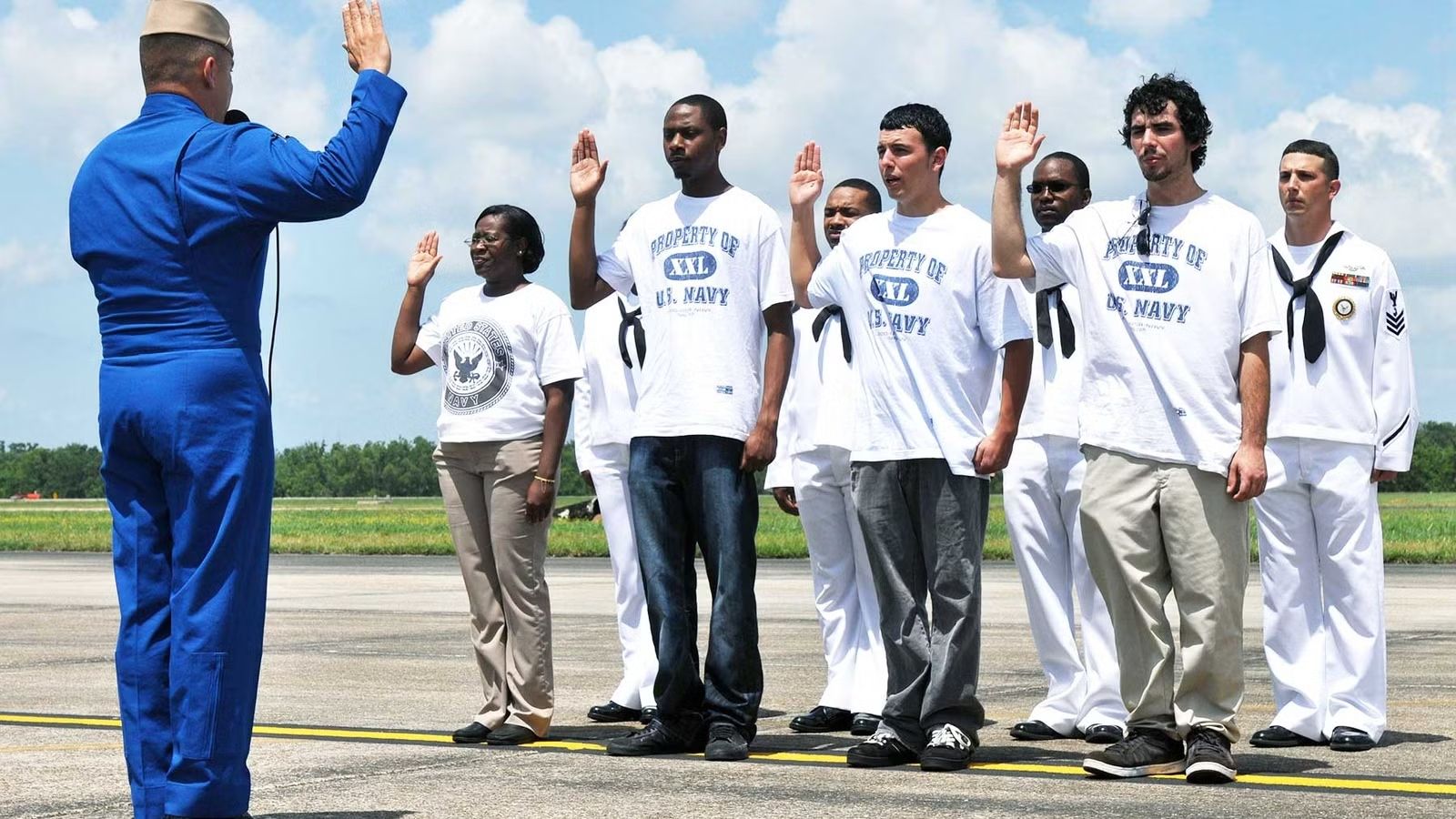
For one former Sailor, the final weigh-in at Recruit Training Command remains memorable years later. She remembers feeling proud of the number on the scale, visibly so. A recruit training instructor conducting the weigh-in noticed and offered a comment that would stay with her long after graduation.
Outside of training, he explained, service members choose when they eat, what they eat, and how they move, beyond what’s required. Without the same schedule and enforced regimen, sustaining training-era results would be extraordinarily difficult.
It was a simple statement. And an accurate one. Still, like many Veterans, she spent years chasing a standard that no longer matched real life, identity, or sustainability. What eventually shifted wasn’t discipline, but perspective.
Training teaches resilience and consistency. What it doesn’t teach is how to maintain wellness once that structure disappears. Letting go of unrealistic benchmarks and replacing them with achievable, personalized goals is often the turning point in long-term Veteran wellness. Whether currently transitioning or years into life after the DD-214, the same principle holds: the only plan that matters is the one that fits the life you’re actually living.
Consistency is the Real Advantage
Veterans who successfully rebuild health routines after service rarely credit intensity. They credit repeatability. Not extreme diets. Not complicated regimens. Not endless appointments. Instead, they rely on small, simple supports that can be maintained even when motivation dips and schedules overflow.
That’s why metabolism-supporting supplements often become part of veteran wellness routines; not as replacements for movement or nutrition, but as simple, consistent reinforcement. This is where Burn Zone fits naturally into the conversation.
No needles. No appointments. No complex protocols. Just a support option designed to integrate easily into real, busy lives.
Why Veteran-Owned Still Matters
Trust carries weight in the Veteran community. Burn Zone by Veteran Performance is made in the USA by a Veteran-owned company, a distinction that matters not as a marketing claim, but as a signal of shared understanding.
Veteran-owned companies tend to design with transition realities in mind: unpredictable schedules, competing priorities, and a preference for straightforward solutions that don’t add friction.
Veteran wellness solutions work best when they’re built by people who understand the environment Veterans are navigating.

Veteran Performance: Wellness Built for the Long Haul
Veteran wellness after the uniform isn’t about recreating who you were under constant supervision. It’s about supporting who you are now, with different responsibilities, different stressors, and different constraints. Sustainable health doesn’t require perfection. It requires momentum. Simple routines. Reliable tools. Minimal barriers.
Managing wellness can become overwhelming, but that’s where Veteran Performance steps in. They offer an easy-to-follow, flexible process that allows you to focus on your own goals, health, and most importantly, results.
That’s why Burn Zone is one of the top metabolism-supporting supplements for Veterans wanting easy, consistent support. There are no needles, no appointments, and everything is made in the USA. Offering an exclusive discount of 15%-20% off for active duty, Veterans, Guard/Reserve, and military families, Veteran Performance is committed to giving back. That’s because Veteran Performance is more than just supplements—it’s a movement that supports Veterans, first responders, athletes, and wellness seekers.
After military service, wellness works the same way. The goal isn’t to fight every wave. It’s to choose support that helps you stay upright, day after day, without draining energy needed elsewhere. Simplicity isn’t settling. It’s strategy.
This article is a result of a collaboration with Veteran Performance.
Continue Reading

Purpose Over Perfection: What Mission-Driven Wellness Really Means (and How to Live It)
Lifestyle
Join the Conversation

BY NATALIE OLIVERIO
Veteran & Senior Contributor, Military News at VeteranLife
Navy Veteran
Natalie Oliverio is a Navy Veteran, journalist, and entrepreneur whose reporting brings clarity, compassion, and credibility to stories that matter most to military families. With more than 100 published articles, she has become a trusted voice on defense policy, family life, and issues shaping the...
Credentials
Expertise
Natalie Oliverio is a Navy Veteran, journalist, and entrepreneur whose reporting brings clarity, compassion, and credibility to stories that matter most to military families. With more than 100 published articles, she has become a trusted voice on defense policy, family life, and issues shaping the...