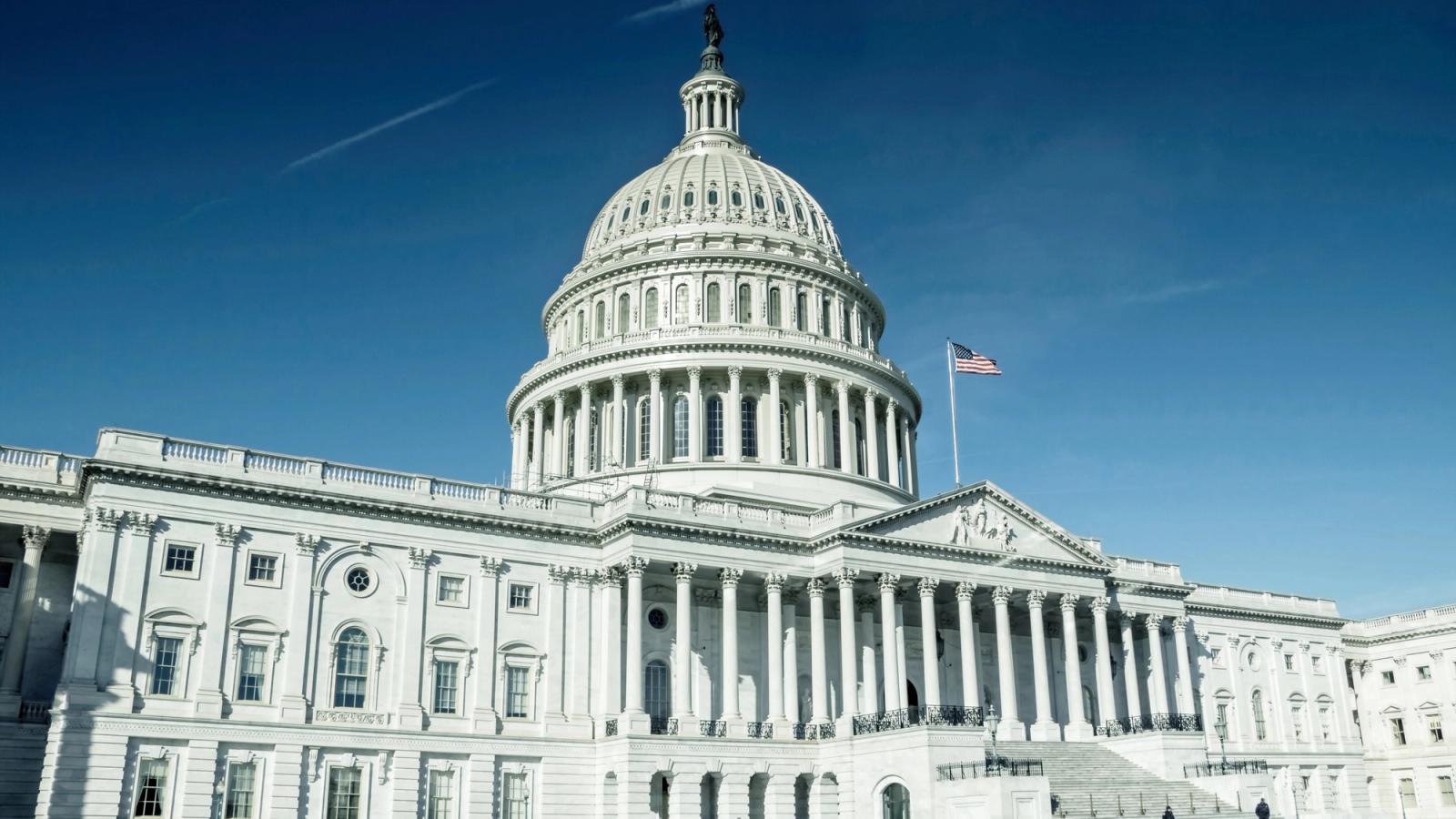
House Passes Major Veteran Bills Affecting DIC Payments, VA Funding, and Gun Rights

For Veterans and military families watching Congress closely, this past week marked one of the most consequential stretches of Veterans legislation to move through the House in years. Lawmakers advanced three major measures touching some of the most politically and financially sensitive issues in the Veteran community: survivor compensation, firearm reporting rules tied to VA fiduciaries, and the funding structure that keeps the Department of Veterans Affairs operating.
The legislation affects surviving spouses, catastrophically disabled Veterans, Veterans assigned fiduciaries by the VA, and nearly every Veteran who relies on VA healthcare or benefits services. While none of the measures are law yet, all three cleared significant hurdles in the House within a matter of days, setting up what could become a defining Senate fight later this year.
A change in monthly Dependency and Indemnity Compensation can determine whether a surviving spouse keeps pace with housing costs or falls behind after losing a service member. Changes like these ripple into the lives of thousands of military families.

House Passes Major Expansion to Survivor and Disability Benefits
The Sharri Briley and Eric Edmundson Veterans Benefits Expansion Act, H.R. 6047, cleared the House in May and would significantly expand compensation tied to surviving military families and Veterans with catastrophic service-connected disabilities. According to the House Veterans’ Affairs Committee, lawmakers say the legislation would expand DIC-related compensation for surviving families while also creating a permanent annual increase to Special Monthly Compensation for Veterans with the most severe disabilities.
DIC is a tax-free monthly benefit paid to eligible survivors of service members who died in the line of duty or Veterans whose deaths resulted from service-connected conditions. The benefit has long been a source of frustration among military survivors and Veterans advocates, many of whom have argued that payment levels no longer reflect modern economic realities.
House lawmakers backing the measure described it as the first major DIC expansion in decades, though DIC payments already receive annual cost-of-living adjustments. The legislation would also add a permanent $10,000 annual increase to Special Monthly Compensation for qualifying catastrophically disabled Veterans.
The bill’s name carries its own weight inside the Veteran community. Sharri Briley and Eric Edmundson both became closely associated with advocacy surrounding surviving military families and severely disabled Veterans, and lawmakers repeatedly referenced their stories during debate. The Congressional Budget Office has already issued a cost estimate for the legislation, giving the bill an additional layer of procedural momentum as it heads toward the Senate.

Gun Rights Provision Advances Through VA Spending Package
A separate fight moved forward at nearly the same time, though it centered on constitutional rights and VA oversight rather than compensation levels. The Veterans 2nd Amendment Protection Act, H.R. 1041, advanced through the House as part of the Fiscal Year 2027 Military Construction and Veterans Affairs appropriations package.
The measure would prohibit the Department of Veterans Affairs from reporting veterans to the FBI’s National Instant Criminal Background Check System solely because they have been assigned a fiduciary to help manage VA benefits. Under the legislation, a judge or other lawful judicial authority would first need to determine that the individual poses a danger before such reporting could occur.
Supporters of the bill argue that the current process unfairly affects Veterans who need financial assistance but have never been ruled dangerous by a court. Critics of similar legislation in previous years have warned that the change could weaken safeguards involving Veterans experiencing severe mental health crises.
The nuance matters here because fiduciary assignment inside the VA system is not the same thing as a criminal finding or a formal court adjudication. The fiduciary process is designed to help Veterans who cannot independently manage financial affairs, though opponents of the current reporting system say that administrative determination has carried consequences extending beyond benefits management and has fueled years of political and legal debate in Congress.
The language attached to this year’s spending package significantly increases the likelihood that the issue will remain alive during appropriations negotiations with the Senate.
House Advances $480 Billion VA and Military Construction Funding Bill
The broader appropriations package itself may ultimately affect more Veterans than any standalone measure moving through Congress this month. The Fiscal Year 2027 Military Construction and Veterans Affairs appropriations bill passed the House on May 22 and would provide roughly $480 billion in combined discretionary and mandatory funding connected to military construction, VA operations, and Veterans benefits programs.
According to the House Appropriations Committee, the legislation includes more than $157 billion in discretionary funding for the Department of Veterans Affairs. Lawmakers said the bill fully funds VA healthcare and benefits programs for the upcoming fiscal year, including medical care accounts and Community Care funding that many Veterans rely on for private-sector treatment access.
Funding bills move under different political pressure than standalone Veteran legislation because lawmakers face deadlines tied to keeping federal agencies operating. Measures attached to appropriations packages sometimes survive even when independent bills stall.
Still, Senate negotiations could substantially alter the final language before any version reaches the president’s desk. At this stage, the House actions are confirmed. Final enactment is not.
Senate Fight Now Becomes the Defining Question
The coming months will determine whether this unusual burst of House action translates into actual law. Veterans legislation often attracts broad public support before colliding with cost concerns, procedural delays, or competing Senate priorities. Even measures with bipartisan backing can change dramatically during conference negotiations.
House lawmakers this week advanced legislation that could increase survivor compensation, expand benefits for catastrophically disabled Veterans, alter how the VA interacts with the federal firearm background-check system, and shape hundreds of billions in VA funding for the next fiscal year.
The next phase now moves to the Senate, where appropriators and Veteran lawmakers will decide whether the House language survives intact or becomes another stalled effort that Veteran groups spend years trying to revive.
Continue Reading
Congress Is Closer to Raising DIC for Survivors, But the Funding Fight Could Raise Some VA Home-Loan Fees
Veteran Benefits

Trump Signs Trio of Bills to Improve Veteran Housing, Job Training & Disability Benefits
Veteran Benefits

Big Changes for Veterans? A Closer Look at 2025 Veteran Bills & Their Impact
Veteran Benefits
Join the Conversation

BY NATALIE OLIVERIO
Veteran & Senior Contributor, Military News at VeteranLife
Navy Veteran
Natalie Oliverio is a Navy Veteran, journalist, and entrepreneur whose reporting brings clarity, compassion, and credibility to stories that matter most to military families. With more than 100 published articles, she has become a trusted voice on defense policy, family life, and issues shaping the...
Credentials
Expertise
Natalie Oliverio is a Navy Veteran, journalist, and entrepreneur whose reporting brings clarity, compassion, and credibility to stories that matter most to military families. With more than 100 published articles, she has become a trusted voice on defense policy, family life, and issues shaping the...