
The Complete Guide to VA Home Loans
No down payment. No PMI. Competitive rates. Your earned benefit, explained.
24M+
Veterans Eligible
$0
Down Payment
#1
Mortgage Benefit
July 1, 2026
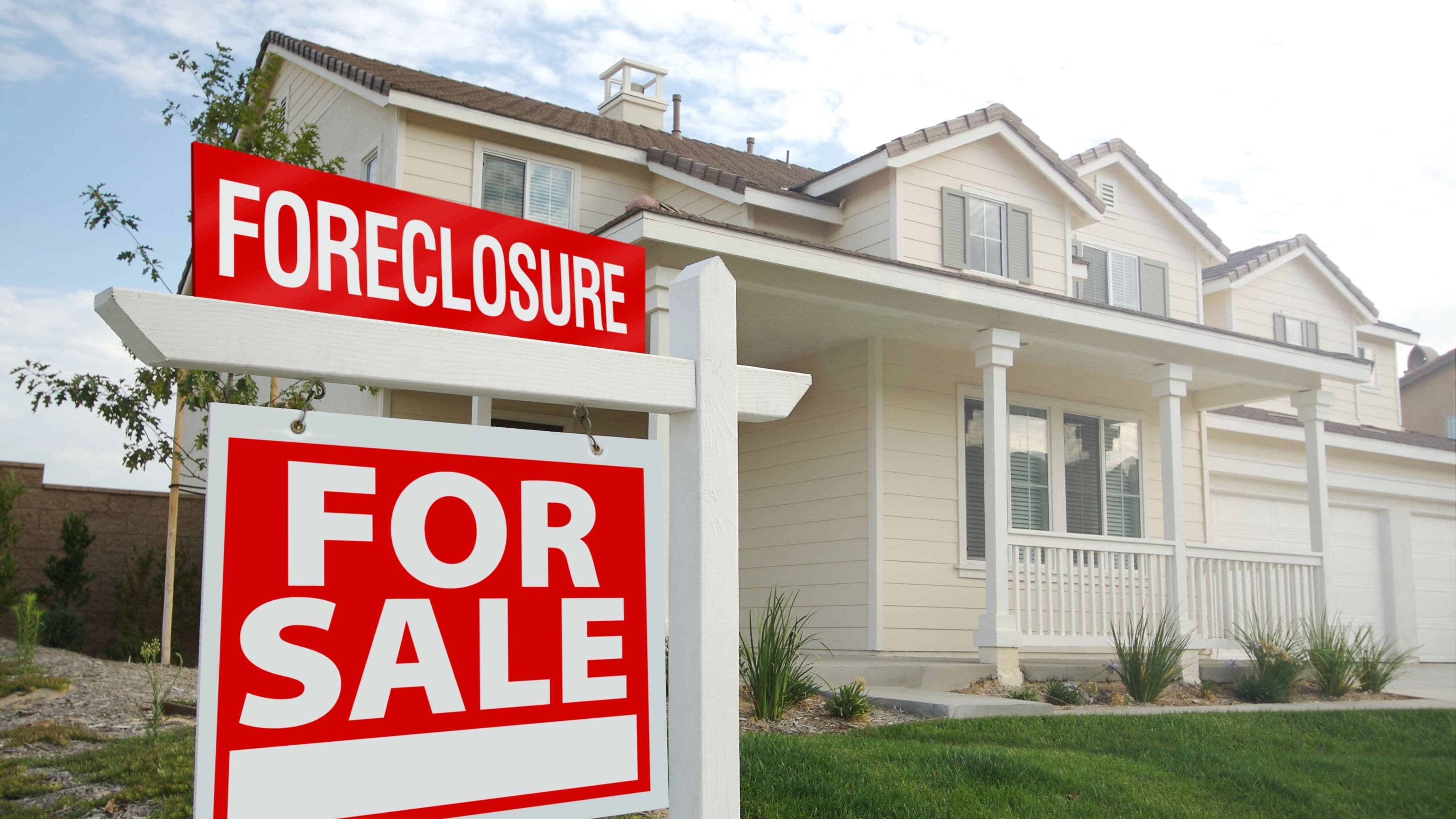
New VA Partial Claim Program Aims to Address Rising Veteran Foreclosures
Why Choose a VA Loan?
$0 Down Payment
Finance 100% of your home — no cash upfront required.
No PMI
Skip the private mortgage insurance that adds hundreds to other loans.
Lower Rates
VA-backed loans consistently beat conventional mortgage rates.
Flexible Credit
More lenient credit requirements because the VA guarantees the loan.
Reusable Benefit
Pay off one VA loan and your entitlement is restored for the next.
No Prepayment Penalty
Pay extra or pay it off early — no fees, ever.
Compare Today's VA Mortgage Rates
No down payment. No PMI. Competitive rates. VA loans are one of the most powerful home-buying benefits available to veterans and service members.
The Complete Guide to VA Home Loans

By Adolfo Velasquez • Publisher & CEO
Last updated September 10, 2026
A VA home loan is one of the most valuable benefits connected to military service. It can help you buy a home with no down payment, no private mortgage insurance (PMI), and competitive interest rates, all backed by the U.S. Department of Veterans Affairs. This guide explains what a VA loan is, the different loan types, who qualifies, how loan limits actually work, and the step-by-step process to get one.
VA home loans are available to eligible veterans, active-duty service members, National Guard and Reserve members, and some surviving spouses, across every branch. Wherever you are in your journey, from a first home to a refinance, this guide is here to help you move forward with confidence.
This guide is informational and is not financial advice. Program rules can change, so confirm your specific eligibility and current details on VA.gov and with a VA-approved lender before you make decisions.
What Is a VA Home Loan?
A VA home loan is a mortgage issued by a private lender, such as a bank, credit union, or mortgage company, and guaranteed in part by the U.S. Department of Veterans Affairs. The VA does not lend you the money directly for most loans. Instead, it promises to repay a portion of the loan if you default, which lowers the risk for the lender.
That guaranty is why lenders can offer terms most conventional borrowers never see: zero down payment, no monthly mortgage insurance, and rates that stay competitive. The benefit is available to eligible veterans, active-duty service members, and certain surviving spouses.
Types of VA Loans
There is more than one kind of VA loan. The right one depends on whether you are buying, refinancing, or building on federal trust land.
VA Purchase Loan
The most common VA loan. It helps you buy a primary residence, whether that is a single-family home, a condo in a VA-approved project, or a multi-unit property you plan to live in. This is the loan most first-time military buyers use to get into a home with no down payment.
Interest Rate Reduction Refinance Loan (IRRRL)
Also called the VA streamline refinance, the IRRRL lets you refinance an existing VA loan into a new one, usually to lower your interest rate or move from an adjustable rate to a fixed rate. It is designed to be simpler than a typical refinance, often with less paperwork and no new appraisal in many cases.
VA Cash-Out Refinance
This option lets you refinance a mortgage and take equity out as cash, which you can use for home improvements, debt, or other needs. Unlike the IRRRL, a cash-out refinance can be used to move a non-VA loan into a VA loan, and it requires a new appraisal and full underwriting.
Native American Direct Loan (NADL)
The NADL helps eligible Native American veterans, or veterans married to a Native American, buy, build, or improve a home on federal trust land. With this program the VA is the direct lender, not just the guarantor.
Benefits of a VA Home Loan
The VA loan is built to make homeownership more affordable for military families and those who served. Here is what makes it stand out:
- **No down payment.** Most eligible buyers can finance 100% of the home's value, so you do not need years of savings to get started.
- **No private mortgage insurance (PMI).** Conventional loans usually require PMI when you put down less than 20%. VA loans never do, which lowers your monthly payment.
- **Competitive interest rates.** Because the VA guaranty reduces the lender's risk, VA loans often carry lower rates than comparable conventional loans.
- **A reusable, lifetime benefit.** VA loan eligibility does not expire and can be used more than once. You can restore your entitlement after a loan is paid off and use it again.
- **No prepayment penalty.** You can pay your loan off early, or make extra payments, without being charged a fee.
- **A one-time VA funding fee, with exemptions.** Most borrowers pay a one-time funding fee that helps keep the program running. It can be financed into the loan rather than paid up front. Veterans receiving compensation for a service-connected disability and certain surviving spouses are fully exempt.
You can review the current fee amounts and who qualifies for an exemption in the VA's guide to the funding fee and closing costs.
Eligibility and Requirements
VA loan eligibility is based mainly on your service history. General service requirements include a minimum period of active duty, qualifying National Guard or Reserve service, or status as an eligible surviving spouse. Exact time-in-service thresholds vary by service era and situation, so confirm your specific eligibility on the VA's VA-backed home loans hub.
Certificate of Eligibility (COE)
Your Certificate of Eligibility (COE) is the document that proves to a lender you qualify for a VA loan. Many lenders can pull it for you in minutes, or you can request your COE on VA.gov. Getting the COE early makes the rest of the process smoother.
Credit and Income
The VA itself sets no minimum credit score. However, because the loan comes from a private lender, most lenders look for a score around 620. Lenders will also review your income, debts, and residual income to confirm you can comfortably afford the payment. If your credit is not there yet, it is worth comparing lenders, since their standards differ.
VA Loan Limits: What They Really Are
This is where a lot of outdated information leads buyers astray, so here is the accurate picture.
If you have your full VA entitlement, there is no VA loan limit. Since the Blue Water Navy Vietnam Veterans Act took effect in 2020, buyers with full entitlement can borrow as much as a lender will approve with no down payment, based on your income and credit. The VA does not cap the loan amount.
Loan limits only apply if you have reduced or partial entitlement, for example if you already have an active VA loan or previously defaulted on one. In that case, your no-down-payment amount is tied to the Federal Housing Finance Agency (FHFA) conforming loan limit. For 2026, the baseline limit is $832,750, and it rises to $1,249,125 in high-cost counties. You can still buy above those amounts with partial entitlement, but you may need a down payment on the difference.
For a fuller breakdown of how entitlement and county limits work, see our guide to VA loan limits.
How the VA Loan Process Works
The path from deciding to buy to getting the keys follows a clear sequence:
- **Get your Certificate of Eligibility (COE).** This confirms you qualify. A lender can often obtain it for you, or you can request it on VA.gov.
- **Get pre-qualified with a VA-approved lender.** This gives you a realistic budget and a pre-approval letter that shows sellers you are a serious buyer.
- **Shop for a home.** Work with a real estate agent, ideally one who knows VA loans, to find a home that fits your budget and meets VA property standards.
- **Make an offer with the VA option (escape clause).** VA purchase contracts include an amendment that protects you if the home appraises for less than the sale price, allowing you to back out without losing your earnest money.
- **Complete the VA appraisal.** The VA orders an independent appraisal to confirm the home's value and that it meets minimum property requirements for safety and livability.
- **Go through underwriting.** The lender verifies your income, credit, and documentation, and finalizes the loan.
- **Close on your home.** You sign the final paperwork, cover any closing costs, and receive the keys.
For a deeper walkthrough of each stage, see our step-by-step VA loan process guide.
Understanding VA Loan Rates
VA loan rates are set by individual lenders, not by the VA, and they change daily with the market. That means no one can promise you a single fixed rate in advance, and you should be cautious of any source that quotes one as a guarantee.
Because rates and fees vary from lender to lender, comparing offers is one of the most valuable things you can do. When you compare, look beyond the headline rate:
- **Compare the APR,** not just the interest rate, since APR reflects the rate plus certain fees and gives you a truer cost of borrowing.
- **Review each lender's Loan Estimate,** a standardized form that lets you line up rates, monthly payments, and closing costs side by side.
- **Get quotes from more than one lender,** because even a small rate difference adds up over the life of the loan.
For current market context and how to read a quote, see our VA loan rates guide.
Choosing a Lender
The lender you choose matters. A lender experienced with VA loans will know how to handle the COE, the funding fee, the VA appraisal, and the paperwork that trips up lenders who rarely do these loans.
VeteranLife works with Veterans United and the Mortgage Research Center to match you with VA-experienced lenders. You can compare current rates and connect with a lender with no obligation to move forward.
VeteranLife is not a mortgage lender or broker; the information you submit is shared with participating lenders through Mortgage Research Center, LLC (NMLS #1907). VeteranLife does not endorse any specific lender or loan product. Equal Housing Opportunity.
Your Next Steps
This benefit is yours to use. Here is how to put it to work:
- **Get your COE** so you and your lender know exactly what you qualify for. You can request your COE on VA.gov.
- **Check today's rates** and learn how to compare offers with our VA loan rates guide.
- **Get matched with a VA-experienced lender** through VeteranLife and Mortgage Research Center, with no obligation.
A home with no down payment and no PMI is within reach. Take the first step today, and confirm any specific details on VA.gov and with a VA-approved lender as you go.
Who Qualifies?
VA loan eligibility is based on service history and discharge status:
Active Duty Veterans
90+ days wartime or 181+ days peacetime
National Guard / Reserves
6 years of service or 90 days active duty (Title 10)
Currently Serving
90+ continuous days of active duty
Surviving Spouses
Unremarried spouse of veteran who died in or from service
Discharge must be other than dishonorable. Verify at va.gov
Get Your Certificate of Eligibility
Latest VA Loan News & Guides
New VA Partial Claim Program Aims to Address Rising Veteran Foreclosures




Quick Links
Ready to Get Pre-Qualified?
See VA loan options you qualify for. No down payment required. Takes about 3 minutes.
Get Pre-Qualified