Shutdown Fallout: How the VA’s Mission-Critical Services Are Holding, and What Isn’t

With almost 37,000 VA employees furloughed or working without pay, Veterans are seeing some programs disrupted, even though core benefits and healthcare are still available.
U.S. Army Veteran Michael R. attended his VA medical appointment in early October and learned his care would continue. But when he sought VR&E counseling, his case manager was unavailable, and the benefits office was closed.
“I felt stuck,” he said, “like part of the support I earned was just… paused."
Michael’s story is similar to what many Veterans are facing during the government shutdown. Core VA benefits remain protected, but important support services have been cut or slowed, leaving gaps in care and support.
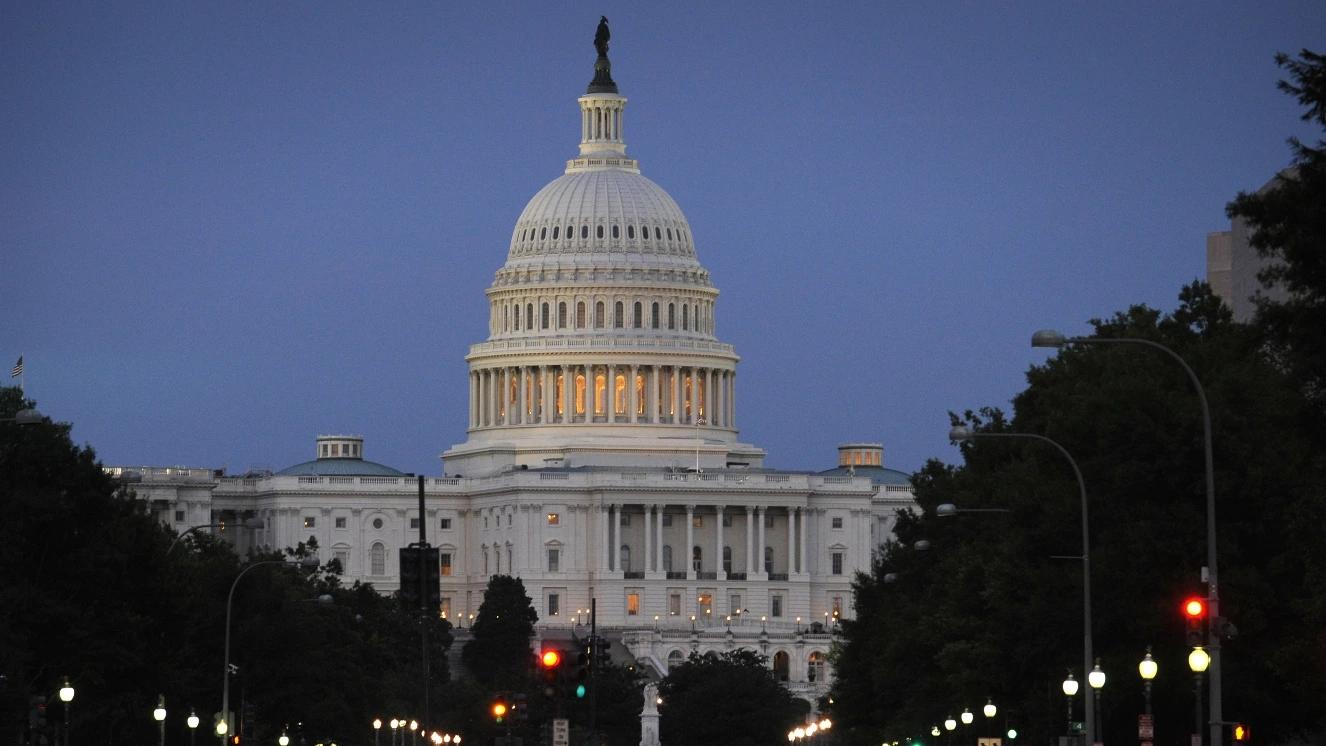
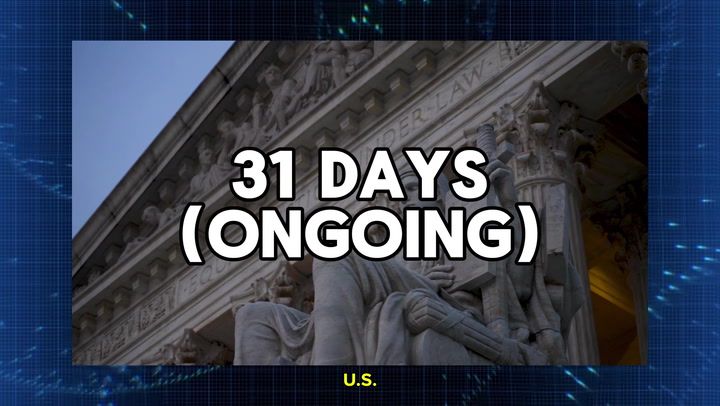
The federal government shut down on October 1, 2025, because Congress did not approve new funding. The VA says nearly 37,000 of its employees have been furloughed or are working without pay. This group includes administrative staff, claims processors, and program coordinators.
The VA also says about 97 percent of its staff are still working during the shutdown. This is possible because of advance appropriations, which are multi-year funds that cover important areas like VA medical centers and benefit payments. This funding helps keep most critical services running even when new federal funding is paused.
The good news for Veterans is that many important VA services are still open and operational, including:
- VA medical centers, outpatient clinics, and Vet Centers
- Disability compensation, survivor benefits, and pension payments
- Post-9/11 GI Bill and housing allowance payments
- Veterans Crisis Line and core benefits call centers
- Funeral honors, interments, and eligibility decisions at national cemeteries
These services remain available because of earlier Congressional approval of advance funding, which has secured operations for the Veterans Health Administration and parts of the Veterans Benefits Administration. This safeguards some services, but others remain vulnerable.
Despite these protections, the shutdown has caused immediate problems for Veterans who depend on programs considered nonessential or currently unfunded.
According to the VA’s official statement, the following services are currently paused, meaning Veterans cannot access them until the shutdown ends:
- The GI Bill Education Call Center (GI Bill Hotline) is shut down, affecting more than 900,000 Veterans and eligible dependents.
- VR&E employment and case management services are suspended. More than 100,000 Veterans enrolled in VR&E have lost access to counselors, and nearly 62,000 new applicants face a growing backlog.
- All 56 VA regional benefits offices are closed to the public.
- The VA’s Manila regional office is beginning permanent closure after its authority expired at the end of September.
- More than 16,000 transitioning service members can't attend in-person TAP (Transition Assistance Program) briefings.
- At 157 national cemeteries, grounds maintenance and the placement of permanent headstones have been paused. Burials and interments continue.
These disruptions align with warnings from the VA’s shutdown plan and Veteran service organizations such as Disabled American Veterans, which have noted the significant challenges shutdowns create for transitioning service members, Veterans in job-training programs, and families seeking VA assistance.
Interview Spotlight: How DAV Is Supporting Veterans During the Shutdown
In an example of real-time support, just this week, DAV assisted a Veteran, Sarah K., who was facing disruptions due to the shutdown. Sarah, a recent graduate relying on GI Bill support for her next semester, found herself without access to crucial counseling services. DAV stepped in, offering her guidance through alternative channels and expediting her case with the relevant authorities.
DAV sat down with VeteranLife to discuss the current impact on our community.
Q: What’s the most urgent concern you’re hearing from Veterans?
A: Veterans are very worried about the stoppage of support services, especially GI Bill education help and VR&E counseling. Many are facing tight deadlines for school enrollment, job placement, or certification.
Q: How is DAV helping veterans navigate these disruptions?
A: DAV service officers are still working, even with the VA shutdown. They help Veterans file claims online, review transition options, and connect them to other education or job resources until full services return.
Q: What should Veterans do right now if they’re being affected?
A: Keep a record of every missed appointment, unreturned call, and delayed benefit. When services resume, having these records will help you resolve issues faster. Don’t wait; reach out to your VSO representative now to stay on top of things.
Services Still Operating
- VA healthcare facilities
- Disability compensation and pension payments
- Post-9/11 GI Bill and housing stipends
- Veterans Crisis Line and MyVA411 support hotline
- Burials and interments (without grounds maintenance)
Services Delayed or Paused
- GI Bill Hotline (education benefit support)
- VR&E counseling and job-placement services
- In-person service at all 56 regional VA benefits offices
- In-person TAP briefings
- Permanent headstone installations and cemetery maintenance
What Veterans Should Do Now
- Confirm your disability or pension payments.
- Check directly with your local VA medical center if you have care scheduled.
- Keep written or digital records of any disruption affecting your care or claims.
- Use your VSO for help filing benefits or claims online.
- If you’re in transition, use the TAP website now and log any in-person support that’s unavailable.
- Seek support from VSOs or your county/state Veteran agency for emergency assistance or advocacy.
- Monitor official VA channels for updates once government funding resumes.
This shutdown highlights the divide between services with advanced funding and those without. While healthcare and compensation remain steady, essential programs like career development, in-person disability support, and dignified burials become vulnerable when federal funding falters.
For service members in transition, students, spouses, and Veterans in job-training programs, these service breaks often come at key moments in their lives. Timing and access can directly affect their financial and personal futures.
These are not extra or “optional” services. They are part of the VA’s broader mission to ensure Veterans are cared for and supported at every stage of life after service.
Veterans like Michael R. show that even when core protections remain, a shutdown can still create real barriers for people who rely on full support. Core benefits may continue, but the daily lives of Veterans and their families are often shaped by services like case managers, employment officers, education hotlines, and transition advisors.
If you are a Veteran, spouse, or caregiver impacted by these changes, act now: contact your VSO, document any missed services or support, and stay alert for updates. Taking these steps ensures you can resolve delays and protect your benefits as soon as the shutdown ends.
Demand accountability: Veterans’ success after service must not be at risk during a budget debate. Make your voice heard; advocate for funding stability and communicate any service gaps to your representatives.

Continue Reading
VA Confirms Veteran Benefits Continuity Amid Shutdown
Veteran Benefits

Government Shutdown Delays VA Chapter 35 Benefits Payments to Students
Veteran Benefits
VA Disaster Relief: Vital Support for Veterans in Crisis
Military News
Watch the Video
Join the Conversation

BY NATALIE OLIVERIO
Veteran & Senior Contributor, Military News at VeteranLife
Navy Veteran
Natalie Oliverio is a Navy Veteran, journalist, and entrepreneur whose reporting brings clarity, compassion, and credibility to stories that matter most to military families. With more than 100 published articles, she has become a trusted voice on defense policy, family life, and issues shaping the...
Credentials
Expertise
Natalie Oliverio is a Navy Veteran, journalist, and entrepreneur whose reporting brings clarity, compassion, and credibility to stories that matter most to military families. With more than 100 published articles, she has become a trusted voice on defense policy, family life, and issues shaping the...