VA Study Links Burn Pit Exposure to Neurological Disorders

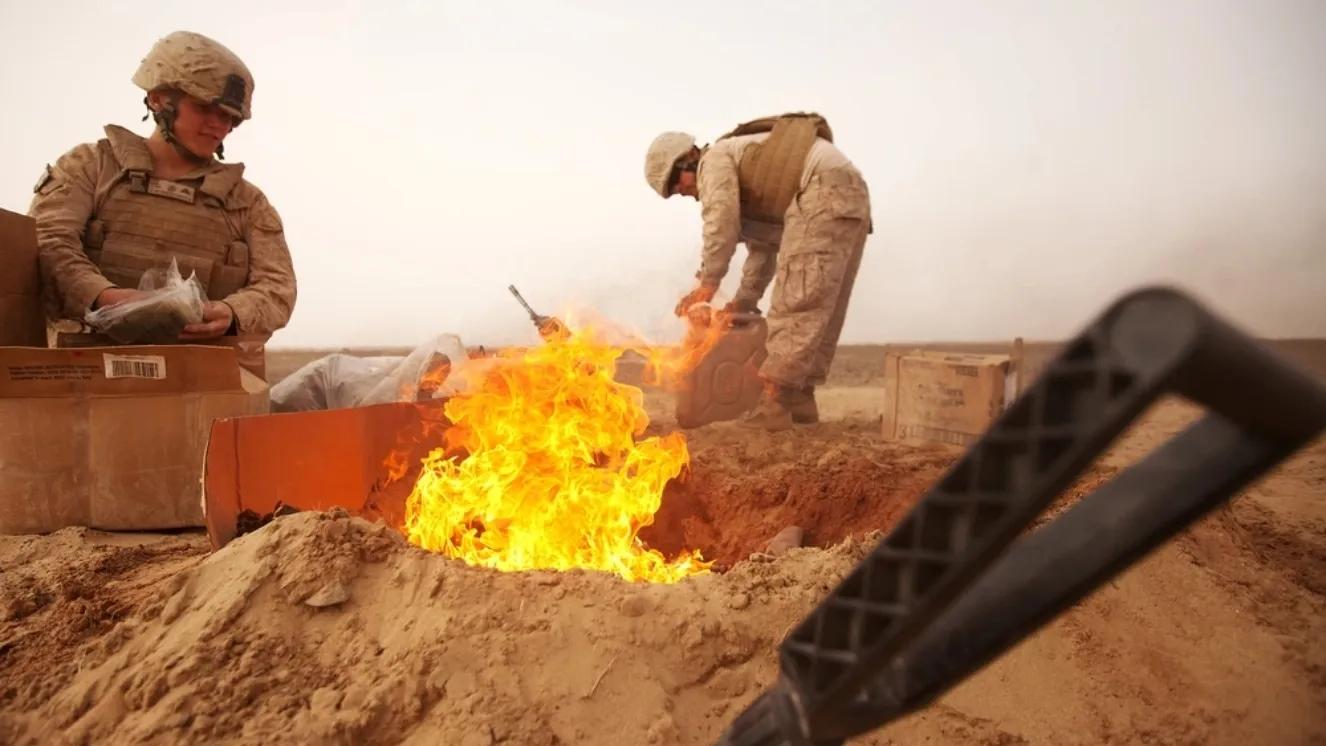
Asthma. Chronic sinusitis. Chronic bronchitis. Emphysema. Pulmonary fibrosis. Dozens of varieties of cancer in nearly every organ of the body, from the lungs to the kidneys to the brain. These are just some of the risks of exposure to the infamous burn pits that have smolder beside and/or inside practically every US military post across the Middle East and south-central Asia throughout the Global War on Terror.
Over the last three decades, over three million American Veterans breathed in the toxic smoke of these literal flaming pits of garbage. The ubiquitousness of this issue led to the passage of the PACT Act of 2022 in order to provide VA benefits to Veterans exposed to these and similar dangers during the GWOT as well as the Gulf War and Vietnam War.
But a new study, “Deployment to Military Bases with Open Burn Pits and Mental Health Conditions and Injury Mortality among U.S. Veterans,” conducted by researchers from multiple universities working alongside epidemiologists at the Department of Veteran Affairs found that burn pit exposure can also increase the risk of mental health conditions and even cause certain types of brain injuries.
VA Study: Burn Pit Exposure and Mood Disorders
An examination of medical and deployment records of almost 440,000 Army and Air Force personnel who deployed at least once between 2001 and 2011 found correlations between prolonged proximity to burn coats and increased rates of various mood disorders (including depression and anxiety), traumatic brain injuries, and post-traumatic stress disorder. To wit:
- Almost 29% of the service members included in the study diagnosed with “severe stress” served over 4 months at a base with a burn pit, over twice the 13% who, while similarly diagnosed, served at a post without one. Those who spent more than 474 days in such a situation were 68% more likely to receive such a diagnosis.
- Personnel who served at least 4 months near a burn pit had double the likelihood of receiving an anxiety diagnosis as those who did not.
- Troops who lived near burn pit smoke for 129 days or more were 37% more likely to suffer from an intracranial injury. Those who spent more than 474 days inhaling that smoke were 124% more likely to suffer such an injury.
- The study identified an 18% increase in sleep disorders among troops who spent four months living near pits and 35% for those who spent 16 months in the same situation.
- And, perhaps most tragic of all the findings, 90% of the 979 Soldiers and Airmen in the study who committed suicide with a weapon served near a large burn pit for at least 129 days.

Researchers Link Burn Pit Exposure & Brain Inflammation
According to the above data that has been released, researchers are theorizing that hazardous materials released by burn pits, which were used to dispose of garbage, medical waste, batteries, ammunition, etc. can disrupt endocrine and immune function. It has also been theorized that this can disrupt the brain and can contribute to inflammation.
According to Christian Hoover, a National Institutes of Health research fellow at Brown University, the research points to an association between burn pits and mental health conditions. However, the data does not show that the burn pits caused the disorders. But, it does still indicate that there is a link between exposure and mental health conditions.
In 2024, a study was released that showed that Veterans who served at bases with burn pits ere more likely to have heart diseases, high blood pressure, and chronic respiratory illnesses in comparison to those who weren't exposed.
PACT ACT Adjustments: Implications of VA Burn Pit Study
As the study was only recently released, it remains to be seen if these findings will lead to further adjustments to the PACT Act and the expansion of conditions that exposed Veterans can apply for benefits and compensation to cover.
But it does seemingly reaffirm that the burn pits, where everything from medical waste to batteries to unused ammunition to all manner of plastics and carcinogens was fed to continuously fueled flames, will continue to precipitate health issues among Veterans of the War on Terror.
Continue Reading
VA Burn Pit Registry Expands to Include Cancer Diagnosed Vets
Veteran Benefits

VA Benefits Update for Vets Exposed to Burn Pits in 2024
Veteran Benefits
VA Burn Pit Registry Expansion Is Improving Healthcare for Vets
Veteran Benefits
Join the Conversation

BY PAUL MOONEY
Veteran & Military Affairs Correspondent at VeteranLife
Marine Veteran
Paul D. Mooney is an award-winning writer, filmmaker, and former Marine Corps officer (2008–2012). He brings a unique perspective to military reporting, combining firsthand service experience with expertise in storytelling and communications. With degrees from Boston University, Sarah Lawrence Coll...
Credentials
Expertise
Paul D. Mooney is an award-winning writer, filmmaker, and former Marine Corps officer (2008–2012). He brings a unique perspective to military reporting, combining firsthand service experience with expertise in storytelling and communications. With degrees from Boston University, Sarah Lawrence Coll...