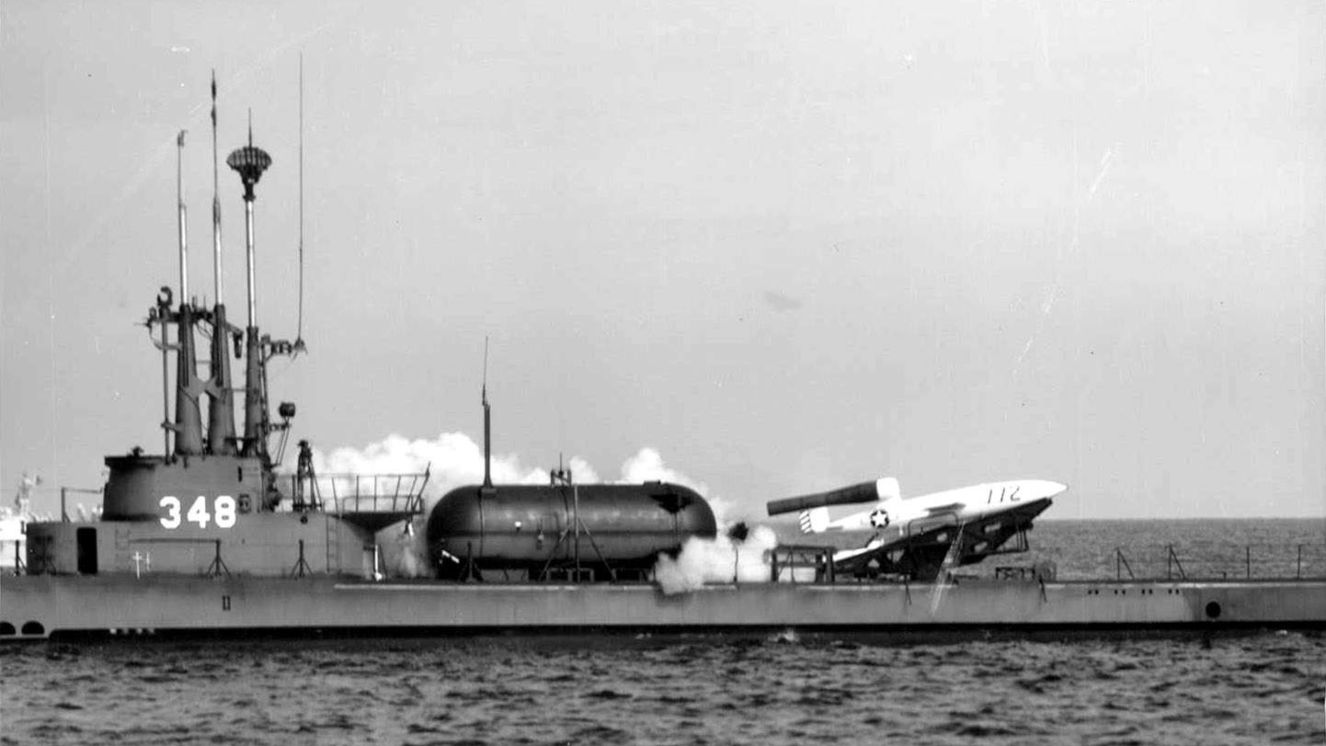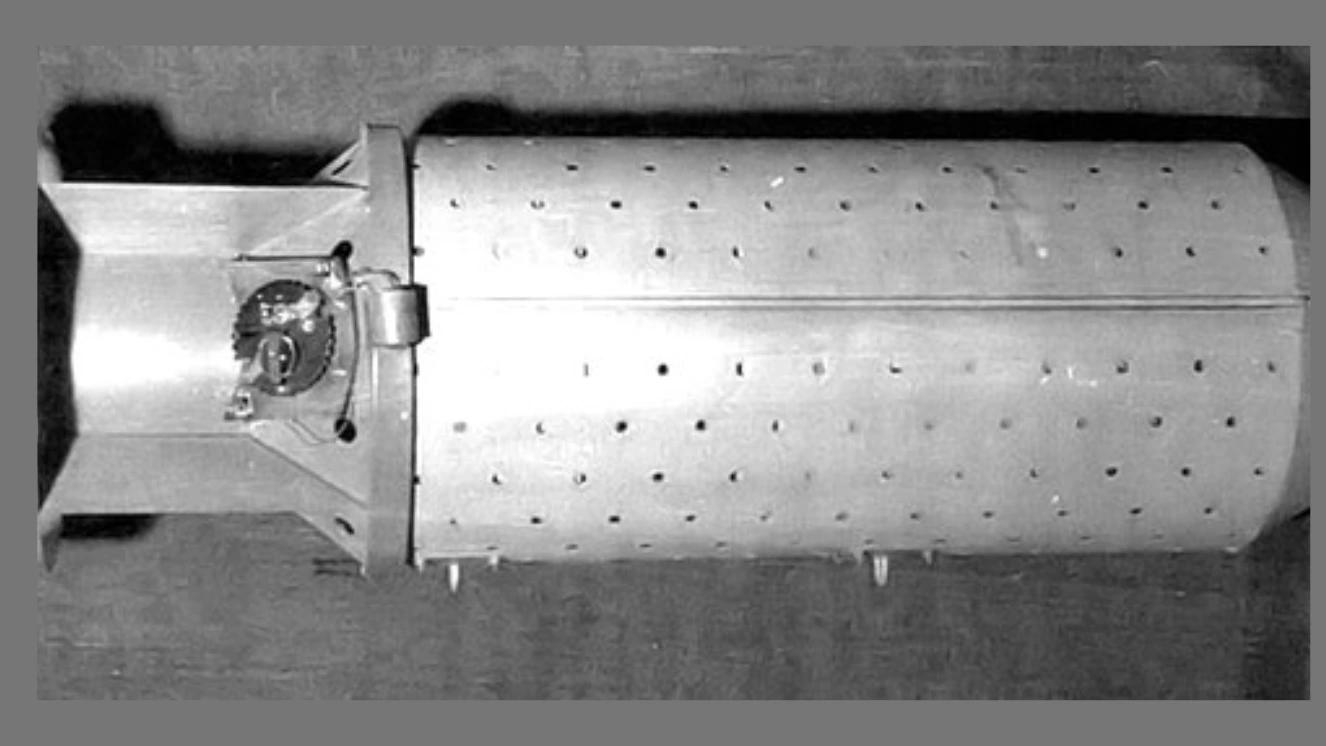
Project Seal: WWII Tsunami Bomb Experiment by U.S. and New Zealand

When people hear about secret projects from World War II, it’s easy to imagine flying saucers or sci-fi gadgets. But few would guess there was once a plan to build a device that could trigger a tsunami.
Back in World War II, the U.S., with help from New Zealand, tried something unusual that, if anyone heard it, they would think, “There’s no way that happened.”
The project was kept as a top-secret program, known as Project Seal. And it was a project that had a goal to turn the ocean into a weapon of war.
This project was very simple, but given the circumstances, it was almost impossible to pull off. It was a daring plan, and people wondered if some ideas went too far.
Project Seal: Origins and Initiation in WWII
The top-secret program called Project Seal came to life back in 1944, at the time of the Pacific War. Military leaders during that time were willing to explore even the most unusual ideas if they offered a chance to break through coastal defenses and save thousands of lives on the battlefield.
This concept began with just an observation from U.S. Navy Commander E. A. Gibson. He noticed that when explosives were used against coral reefs, it created an unusual surge of water. That’s when he thought, if a small blast could cause something unusual like that, what more could happen if the blast were larger, more controlled, and carefully timed?
So the project started, and they took it seriously. Everyone was on board to begin and plan the program. Even New Zealand became a partner in the project, offering technical expertise and a discreet location for testing experiments.
The University of Auckland’s Professor Thomas Leech was recruited to lead the scientific side and oversee experiments carried out along the coast near Auckland and in the Whangaparaoa Peninsula, where conditions allowed broader tests.
Project Seal: Ocean Testing in New Zealand Waters
They have a discreet location for the testing now, and so they needed to conduct tests. There was no significant progress during the tests because the team conducted a lengthy series of small-scale experiments.
Over several months, approximately 3,700 controlled detonations were set off. They placed charges at different depths, distances, and also patterns for them to see which combinations produced the strongest surges of water.
With different factors, the results were mixed. Single blasts rarely created anything more than a large splash, but when the charges were arranged in sequence and detonated one after another, that’s where serious risks arose, as the waves began to build.
The idea is that if a big enough wave were created, it could wash out landing areas, wreck ports, and even cut off resupply routes. In other words, it could target military infrastructure and logistics over a wide area in a single event, which is exactly the strategy they were seeking in the war.
Project Seal: Analysis of Experiment Failure
As the experiments went on, doubts only grew stronger. There were a lot of factors to consider to make it work, because it needed to coordinate a specific number of detonations, setting them off in perfect sequence, while keeping the entire operation secret.
The experiment actually made some sense because the Pacific was full of islands, and the ocean was always close by. But by 1945, the atomic bomb had entered the picture. Compared to the raw power and speed of nuclear weapons, the tsunami bomb started to look slow, risky, and unreliable.
Soon after, the war was over and Japan surrendered. The team wasn’t even able to conduct a full-scale test, and from then on, Project Seal was put aside, and its documents stayed hidden in classified files for decades.

Project Seal: Historical Oversight and Rediscovery
That is how the experiment came to an end. The tsunami bomb never became a practical weapon of war. But it gave us an insight into how nations are willing to go beyond in desperate times, especially during times of war.
Decades later, when historians and journalists finally declassified the documents about Project Seal, they finally had proof that one of the most powerful forces of nature (the bodies of water) had once been viewed as a potential tool of destruction.
Since they were not successful in the experiment, it almost seems as though the ocean knows what humans plan to use it for and simply refuses to be controlled. Project Seal left us a stark reminder of how war can push human imaginations to dangerous extremes, but some forces of nature are simply too powerful to be harnessed as weapons.
Read next:
- Sir Adrian Carton de Wiart: The Unkillable Soldier Who Survived Everything
- Operation Paul Bunyan: How a Simple Tree in the DMZ Turned Into a Global Incident
- Meet the Tunnel Rats: Fearless Soldiers Who Fought Underground in Vietnam
Sources:
Continue Reading
Operation Teardrop: The WWII Mission to Protect New York
Military History
Project X-Ray: WWII Bat Bombs Developed by U.S. Military
Military History
Join the Conversation

BY ALLISON KIRSCHBAUM
Veteran, Military History & Culture Writer at VeteranLife
Navy Veteran
Allison Kirschbaum is a Navy Veteran and an experienced historian. She has seven years of experience creating compelling digital content across diverse industries, including Military, Defense, History, SaaS, MarTech, FinTech, financial services, insurance, and manufacturing. She brings this expertis...
Credentials
Expertise
Allison Kirschbaum is a Navy Veteran and an experienced historian. She has seven years of experience creating compelling digital content across diverse industries, including Military, Defense, History, SaaS, MarTech, FinTech, financial services, insurance, and manufacturing. She brings this expertis...