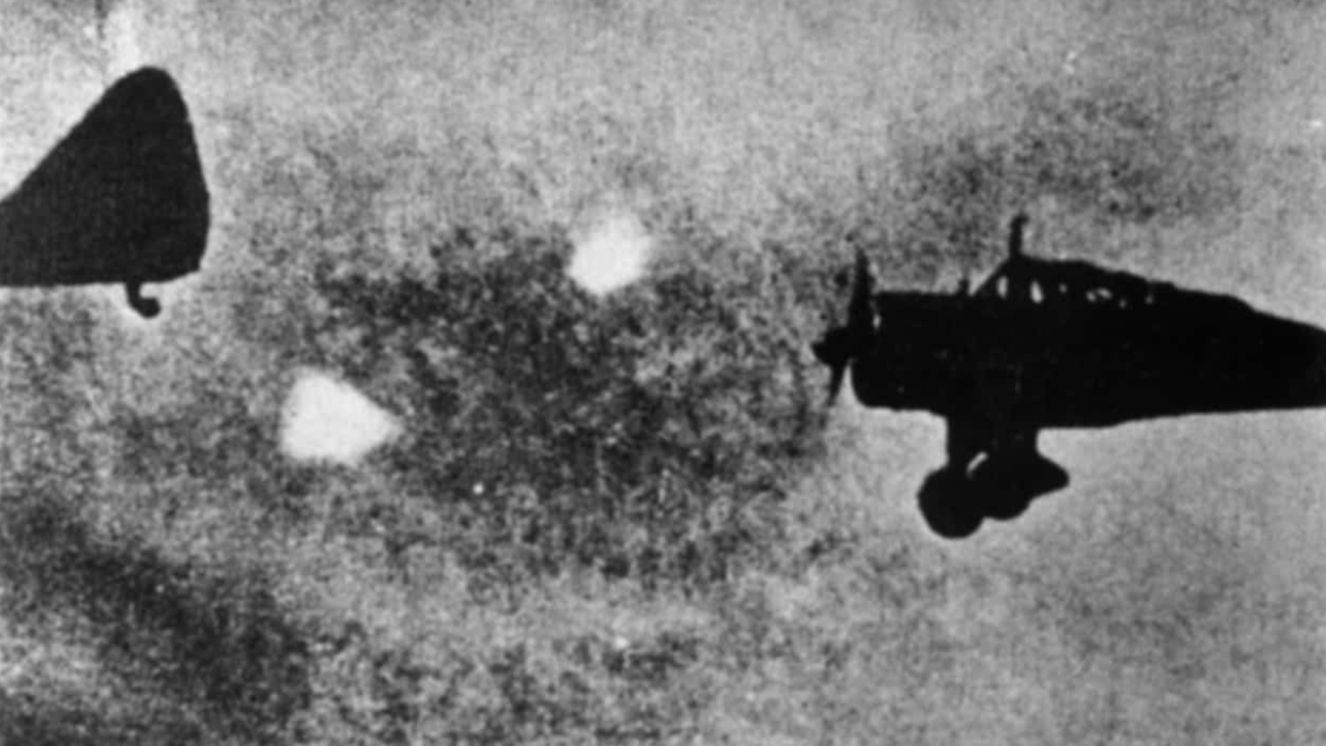
The Battle of Los Angeles: One of the Strangest Nights of WWII

Most cities sleep quietly at night, tired from a bustling day, and wanting a good night’s rest because tomorrow is another day. But sirens blasting, darkness, and explosions? That's not ideal for a good night’s sleep.
On the night of February 24, 1942, many other cities were sleeping quietly. But the city of Los Angeles did not. It looked like there was an enemy attack, and everyone was convinced that enemy planes were about to bomb the city.
The strange thing about that night was that there was no confirmed enemy attack. That night was then called the “Battle of Los Angeles,” and it is considered one of the most bizarre moments of World War II. As its 84th anniversary approaches, it’s worth learning what really happened that night.

Days Before the Explosion
Weeks after the attack on Pearl Harbor, tensions were already high on the West Coast. Rumors were circulating in newspapers and on the radio about a potential threat. The tension was already there, so it did not just come out of nowhere.
During that time, U.S. Secretary of Defense Henry Stimson warned that American cities should be prepared for enemy forces, whatever was coming at them.
Before the incident, Japanese submarines had been spotted off the coast of California. There was a Japanese submarine that shelled the Ellwood oil field near Santa Barbara on February 23, 1942.
There was some damage, and it felt like the Japanese were sending a message to California because this was the first time that the U.S. had been bombed during World War II. And so when the military commanders received radar contacts on February 24, they took them seriously.
The Night of the Explosion
Receiving those radar contacts was like a wake-up call for the California units on duty. Then, on the evening of February 24, Naval Intelligence told the unit to prepare for a potential Japanese attack.
Around 2 AM on February 25, the military picked up what they thought to be an enemy contact about 120 miles west of Los Angeles. By then, air raid sirens were blasting everywhere. There was a blackout across Los Angeles, and everything was dark. People waited inside their homes, afraid, listening for the first bomb.
Shots were fired at 3 AM. Shells shot upward and exploded high above the city, and these were shells that were designed to burst at certain altitudes to destroy aircraft. But that night, shells were detonated in bright flashes over Los Angeles with no confirmed target.
“Imagination could have easily disclosed many shapes in the sky in the midst of that weird symphony of noise and color,” Coastal Artillery Corps Colonel John G. Murphy later wrote.
“But the cold detachment disclosed no planes of any type in the sky, friendly or enemy.”
It really looked like Los Angeles was under attack. But the morning after, there were no bomb craters, making people question what really happened that night.
There Was No Enemy Attack
The morning of February 25 revealed that there was no confirmed Japanese air raid. No downed aircraft was found. No bomb damage was reported. Nothing.
“Although reports were conflicting and every effort is being made to ascertain the facts, it is clear that no bombs were dropped and no planes were shot down,” read a statement from the Army’s Western Defense Command.
The only thing they saw was the physical destruction that came from falling American shells. Officials struggled to explain what happened, and the Navy suggested that the possibility of flares prompted the firing of shells.
The Japanese military confirmed that they had never flown an aircraft over the city during World War II. And this was mostly a false alarm, which then-Secretary of the Navy Frank Knox acknowledged was brought on by “jittery nerves.”
Thankfully, no serious injury was reported that night. But unfortunately, there were at least 5 people who had died because of heart attacks and car accidents that happened during the blackout.
The 84th Anniversary of the Battle of Los Angeles
Up to this day, no one can really say what happened during the Battle of Los Angeles. It was just a false alarm. It’s true that sometimes, when you have that adrenaline rush, everything could appear different.
Military history is full of moments like this. Some uncertainties produce strange outcomes, just like when a literal porcelain toilet mounted under an aircraft was released during a sortie and appeared to look like a bomb.
This month marks the 84th anniversary of that intense night in 1942. 84 years ago, Los Angeles believed it was under attack. For hours, the sky flashed with explosions while families waited in their dark homes.
One thing is certain: U.S. leaders did not want to be caught off guard again. They were prepared, ready for what was to come, even if the enemy did not show up. It’s a reminder that the U.S. military doesn’t play and they really take things seriously.
Read next:
Join the Conversation

BY ALLISON KIRSCHBAUM
Veteran, Military History & Culture Writer at VeteranLife
Navy Veteran
Allison Kirschbaum is a Navy Veteran and an experienced historian. She has seven years of experience creating compelling digital content across diverse industries, including Military, Defense, History, SaaS, MarTech, FinTech, financial services, insurance, and manufacturing. She brings this expertis...
Credentials
Expertise
Allison Kirschbaum is a Navy Veteran and an experienced historian. She has seven years of experience creating compelling digital content across diverse industries, including Military, Defense, History, SaaS, MarTech, FinTech, financial services, insurance, and manufacturing. She brings this expertis...