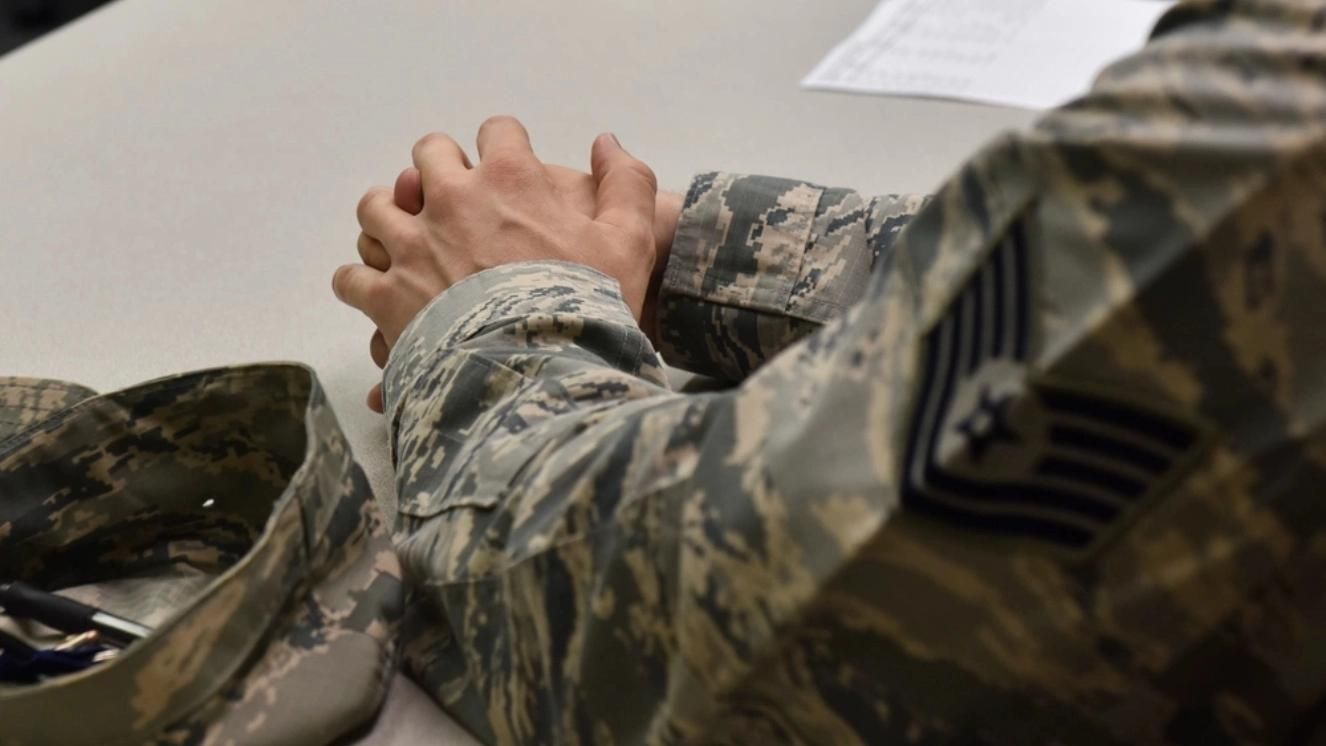
Veteran Caregivers: America's Invisible Lifeline in 2025

The hidden warriors behind our sick and wounded Veterans provide care, extend quality of life, and save lives every day—and they are silently burning out.
When a Veteran comes home—scarred in body, mind, or spirit—the nation’s thanks often stops at the parade. A quiet battlefield follows inside kitchens, living rooms, and hospital hallways. Spouses, partners, and children become nurses, advocates, chauffeurs, and case managers overnight. They refill meds at two a.m., soothe nightmares, navigate federal red tape, and often abandon careers to hold their families together.
“Caregivers shoulder immense burdens with little recognition, and their support systems remain deeply insufficient,” says Joy Ilem, DAV National Legislative Director. For many, benefits like stipends, tax credits, and paid leave remain inadequate and urgently need expansion. Veterans with chronic conditions, for example, should not face disruptive and repeated reassessments when their health is unlikely to improve.
2025 Updates in Veteran Caregiver Support
The Elizabeth Dole Home- and Community-Based Services for Veterans and Caregivers Act, widely known as the Dole Act, is now law—marking one of the most significant expansions of caregiver and home-based services in recent years. It reflects strong bipartisan support for family caregivers.
But laws on paper don’t automatically translate into real-world relief. Implementation now depends on updated VA regulations, upgraded IT systems, and proper staff training. Without strong oversight, much of the Act’s promise could stall.
Funding is another obstacle. Many provisions remain discretionary and therefore vulnerable to future budget cuts. Equity gaps also persist, leaving behind “legacy caregivers,” those evaluated under inconsistent standards, and caregivers of Veterans who fall outside the Program of Comprehensive Assistance for Family Caregivers (PCAFC)’s strict criteria.
Another blind spot is what happens when caregiving ends. Once the veteran no longer needs support, stipends stop, health coverage disappears, and caregivers are left without a safety net. Transition planning, economic reintegration, and continued access to benefits like health care or Dependency and Indemnity Compensation are all urgently needed.
Veteran Caregiver Legal Protections and Barriers in 2025
The Beaudette v. McDonough decision opened a path for caregivers to appeal unfavorable determinations.
It was a long-awaited step toward fairness, but the VA Caregiver Support Program is still plagued by slow appeals, vague notices, and uneven implementation.
Unless Congress codifies Beaudette’s protections into law—and ensures that benefits remain in place during appeals—caregivers will continue to face uncertainty and unnecessary stress.
Veteran Caregiver Crisis: 2025 Statistics
- 14.3 million military and Veteran caregivers—5.5% of U.S. adults—provide hands-on care each year.
- The value of that care is estimated at $119–$485 billion annually, according to RAND.
- Many caregivers work 31+ hours per week without pay, essentially taking on a full-time job.
- Unpaid caregiving across the United States now exceeds $1.1 trillion annually, underscoring the fragility of support systems.
VA Caregiver Support Programs in 2025
PCAFC (Program of Comprehensive Assistance for Family Caregivers) offers:
- Monthly stipends (62.5% or 100% of local GS-4 pay)
- CHAMPVA health coverage if uninsured
- Respite care, travel reimbursement, and mental health counseling
PGCSS (Program of General Caregiver Support Services) provides:
- Training, coaching, peer mentoring, tele-support, and referrals for any caregiver of a VA-enrolled Veteran
Caregivers can start by calling the VA Caregiver Support Line (1-855-260-3274) or connecting with a Caregiver Support Coordinator at their local VA medical center.
Challenges in the Veteran Caregiver System
Despite progress, caregivers face a system that is anything but fair. Eligibility rules are murky, communication is unreliable, and reassessments often disrupt stable care situations. Reviews should follow the VA’s disability standards—only happening when improvement is possible—not as arbitrary hurdles.
Access to telehealth also remains critical. For rural families especially, keeping telehealth services widely available would prevent needless travel and reduce caregiver strain.
2025 Advocacy Priorities for Veteran Caregivers
Moving forward, several reforms are needed:
- Simplify the caregiver application process.
- Secure multiyear funding to stabilize programs.
- Clarify eligibility rules in law, not just regulation.
- Strengthen appeals and make Beaudette protections permanent.
- Provide transition planning, job training, and continued health support after caregiving ends.
As Joy Ilem puts it, “Without stronger guidelines and better implementation, caregivers continue to face a system that is anything but fair.”
Supporting Veteran Caregivers: Actionable Steps
For Caregivers:
- Call the VA Caregiver Support Line to determine PCAFC or PGCSS eligibility.
- Request written details on stipend calculations and keep thorough records.
- Use Beaudette v. McDonough as precedent in appeals.
- Explore state Medicaid consumer-directed programs and local respite services.
- Join caregiver networks or peer groups to reduce isolation.
For Advocates and Employers:
- Push Congress for full funding and oversight of the Dole Act.
- Adopt caregiver-friendly workplace policies like flexible scheduling and leave.
- Share caregiver stories to build public awareness and momentum for change.
For Communities and Everyday Americans:
Start by listening. Caregivers are often invisible in public conversations about Veterans. Offering time, resources, or simply understanding can make an outsized difference.
Advocating for Veteran Caregivers: Taking a Stand
If you’re a Veteran caregiver, your work is not invisible—and you are not alone. Call the VA Caregiver Support Line, connect with a coordinator, and explore PCAFC and PGCSS benefits. Ask for respite care before burnout strikes.
If you’re a Veteran or military family member, check in on the caregiver in your life. A simple “How can I lighten your load this week?” can help break through isolation.
Employers and community leaders should normalize discussions about caregiver support, while lawmakers must ensure long-term funding, fairness in appeals, and post-caregiving transition assistance.
The Dole Act was a critical step forward, but its promise depends on robust oversight and long-term planning. Caregivers are holding together the lives of our veterans—often at great personal cost. By standing up for the ones who never sit down, we honor not just the veteran’s sacrifice, but the family’s unspoken service.
Continue Reading

VA Caregiver Support Program: 2024 Eligibility Changes
Veteran Benefits
Veteran Benefits Are Changing in 2026: What's New Will Shock You
Veteran Benefits
Big Changes for Veterans? A Closer Look at 2025 Veteran Bills & Their Impact
Veteran Benefits
Join the Conversation

BY NATALIE OLIVERIO
Veteran & Senior Contributor, Military News at VeteranLife
Navy Veteran
Natalie Oliverio is a Navy Veteran, journalist, and entrepreneur whose reporting brings clarity, compassion, and credibility to stories that matter most to military families. With more than 100 published articles, she has become a trusted voice on defense policy, family life, and issues shaping the...
Credentials
Expertise
Natalie Oliverio is a Navy Veteran, journalist, and entrepreneur whose reporting brings clarity, compassion, and credibility to stories that matter most to military families. With more than 100 published articles, she has become a trusted voice on defense policy, family life, and issues shaping the...