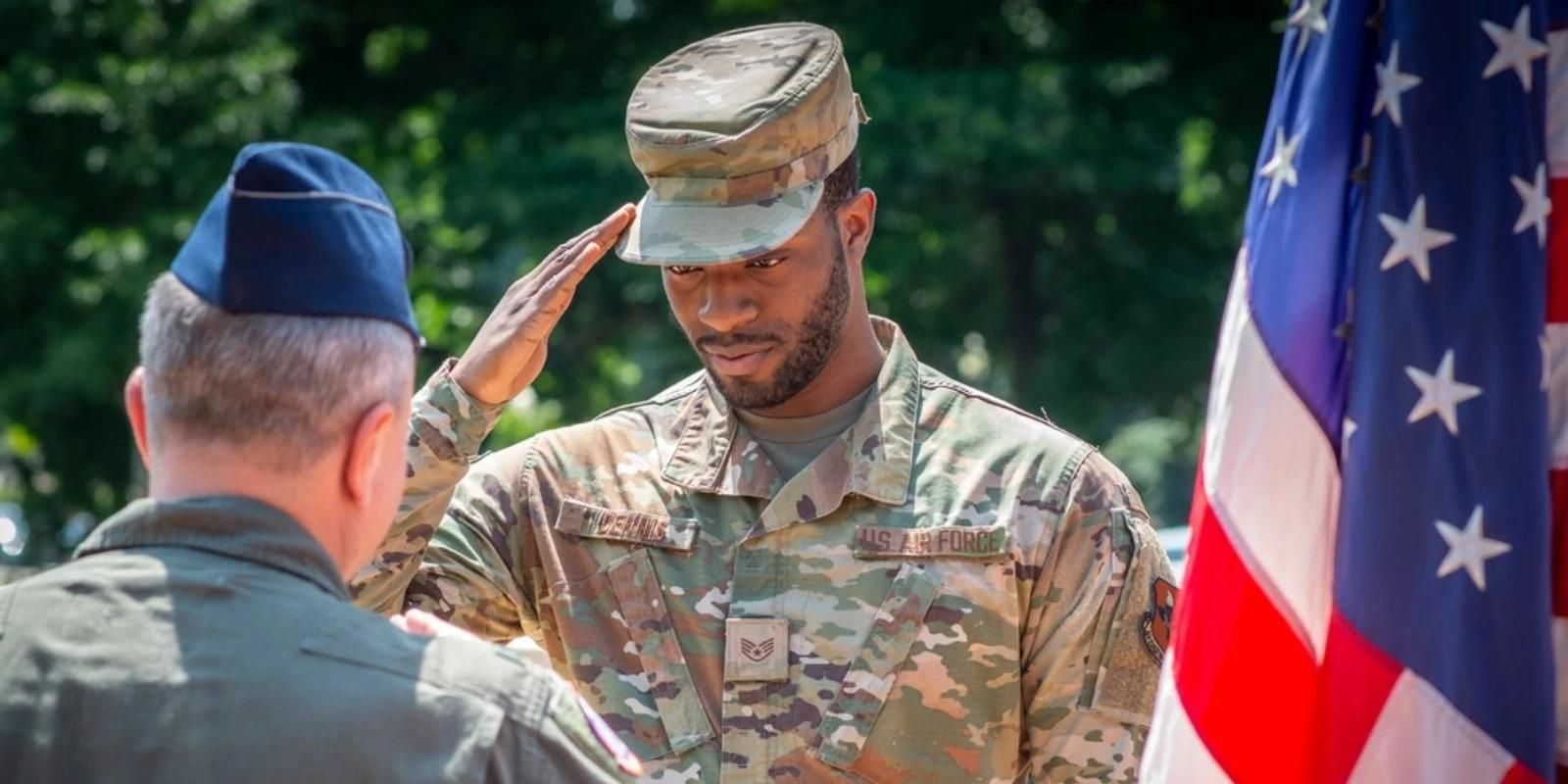
$839B Defense Spending Bill Locks In Pay Raises, Shipbuilding Surge, and Ukraine Aid in 2026

Congress has advanced approximately $839.2 billion in defense funding within the FY26 Defense Appropriations Act, which funds the Department of Defense for Fiscal Year 2026. The FY26 National Defense Authorization Act (NDAA) set policy and authorized major spending levels; this appropriations bill provides the actual dollars.
As of January 22, 2026, the bill awaits final passage before the January 30 deadline. Key provisions, like the 3.8% pay raise, are in effect due to the NDAA and Presidential pay plan, with this bill providing the funding.
For service members and families, the most visible changes will be reflected in paychecks, installations, deployments, and school districts in 2026.
Troop Pay Raise: 3.8% for Service Members in 2026
The FY26 appropriations bill provides a 3.8% pay raise for uniformed service members and a 1% raise for DoD civilians, effective January 1, 2026. The NDAA authorized the increase, and appropriators ensure funding is available.
Rep. Marie Gluesenkamp Perez (D-Wash.) highlighted the 3.8% pay raise, increased military healthcare funding, and readiness-supporting resources as essential to recruiting and retention.
The bill also funds:
• Active duty end-strength: 1,302,800
• Selected Reserve: 764,900
On-base changes in 2026 include higher January LES, improved manning in stressed units, and more predictable staffing in operational communities.
Quality-of-Life Improvements for Bases and Families
Congress pairs platform investments with targeted quality-of-life spending, reflecting collaborative input from both installations and families.
Installation Facilities and Barracks
- $18.8B for facility sustainment, restoration, and modernization
- $130M specifically for Marine Corps Barracks 2030 improvements
Education and Family Support
- $50M for Impact Aid for school districts serving military-connected students
- $20M for Impact Aid for children with disabilities
- $5M for Fisher Houses, supporting long-term medical lodging for families
PCS and Stability
- Appropriators also support DoD efforts to reduce PCS moves, aligning with policy signals that favor longer tours to reduce family disruption and spouse underemployment.
These are significant because housing, school access, medical support, and PCS churn are consistently linked to retention decisions.

Navy Shipbuilding Surge: 17 Ships and Industrial Base Investment
The FY26 bill supports a major shipbuilding cycle, allocating $27.2B for 17 ships, including a Columbia-class submarine, two Virginia-class submarines, three Medium Landing Ships, a TAGOS SURTASS ASW vessel, and several support vessels.
To enable long-term sustainment, Congress added $7.1B for ship operations ($1.9B above request) and $1.5B for the Maritime Industrial Base.
This impacts Norfolk, Groton, San Diego, Bremerton, Pascagoula, and Gulf Coast yards, as well as their supply chains.
Munitions, Strategic Defense, and “Golden Dome” Funding
The FY26 bill focuses on rebuilding stockpiles and boosting strategic defense networks.
Munitions Procurement:
- $6.4B for critical munitions
- +$2.1B for multi-year buys (PAC-3, SM-6, Tomahawk, LRASM, JASSM, AMRAAM, SM-3 IB)
- $500M for solid rocket motor industrial base expansion
Strategic Defense & Golden Dome:
- Approximately $13.4B for missile defense and space programs tied to the administration’s Golden Dome initiative, which blends Missile Defense Agency and Space Force architectures
Appropriators have required the Pentagon to provide detailed Golden Dome execution plans, indicating ongoing oversight.
Operational impacts in 2026:
- Army & joint missile defense units receive training and readiness support
- Space Force gains procurement capacity
- Stockpile rebuilding affects training ammunition availability

Ukraine Aid, NATO Support, and European Posture
The FY26 bill maintains a U.S. and allied posture in Europe, combining support for Ukraine with broader NATO commitments.
Core elements include:
- $400M (via NDAA) for Ukraine Security Assistance Initiative (USAI)
- $400M for European capacity building
- Continued Baltic Security Initiative funding
- Support for NATO readiness and prepositioned stocks
Sen. Chris Coons (D-Del.), a member of the Appropriations Committee, underscored the magnitude of Ukraine-related spending, stating:
“I would say support for Ukraine is a billion dollars.”
For units operating out of Poland, Romania, the Baltics, and Germany, this translates into:
- Rotational deployments
- Joint NATO exercises
- Depot and logistics activity
- Ammunition drawdowns and replenishment cycles
Major Programs That Move Forward in FY26
Several high-visibility platforms and development programs receive appropriations, including:
Funded
• 47 F-35s
• B-21 Raider
• F-47 (NGAD) and F/A-XX sixth-gen development
• E-7 Wedgetail, preserved after cancellation concerns
Constrained
- Pentagon’s $28.8B last-minute munitions request received partial funding
- Certain IVF and housing expansion proposals did not make final text
- Appropriators added restrictions on DEI and related social-policy lines
This reflects prioritizing the industrial base, nuclear modernization, and strategic portfolios over certain family-support policies, though some quality-of-life funding remains.

Continue Reading

2026 Military Pay Raise: Congress Proposes 3.8% Increase
Career & Pay

Defense Appropriations Act: What You Need to Know
Operations

National Defense Authorization Act Gives Servicemembers a Historic Raise
Career & Pay
Watch the Video



Join the Conversation

BY NATALIE OLIVERIO
Veteran & Senior Contributor, Military News at VeteranLife
Navy Veteran
Natalie Oliverio is a Navy Veteran, journalist, and entrepreneur whose reporting brings clarity, compassion, and credibility to stories that matter most to military families. With more than 100 published articles, she has become a trusted voice on defense policy, family life, and issues shaping the...
Credentials
Expertise
Natalie Oliverio is a Navy Veteran, journalist, and entrepreneur whose reporting brings clarity, compassion, and credibility to stories that matter most to military families. With more than 100 published articles, she has become a trusted voice on defense policy, family life, and issues shaping the...