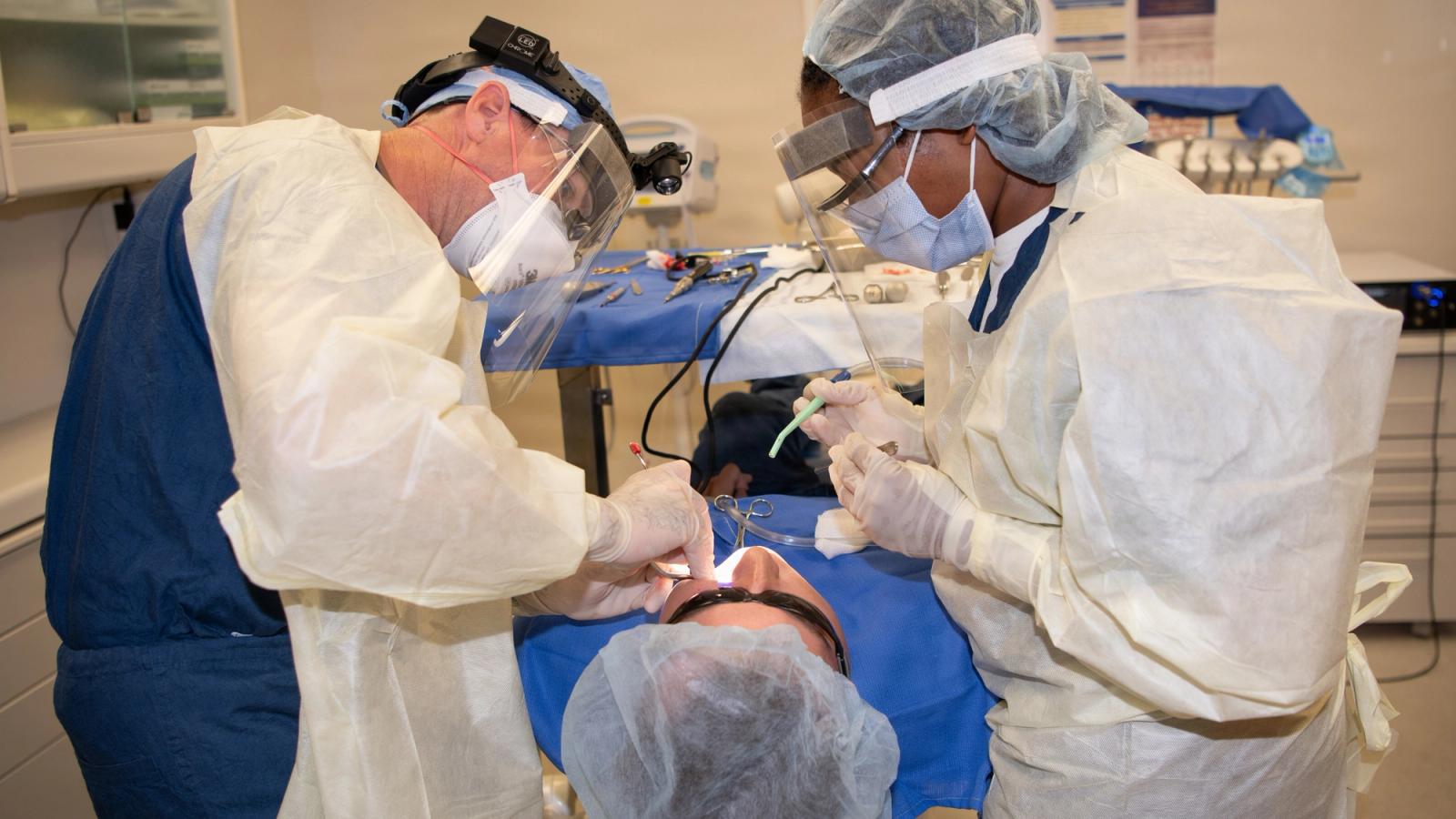
VA Launches MDMA Therapy Trial for Veterans With PTSD and Alcohol Use Disorder

The Department of Veterans Affairs has launched a new clinical trial studying whether MDMA-assisted therapy can help Veterans living with post-traumatic stress disorder and alcohol use disorder, marking one of the federal government’s most significant steps yet into psychedelic-assisted mental health treatment for former service members.
The study, announced Tuesday by the VA, will focus on Veterans diagnosed with both PTSD and alcohol use disorder, a combination clinicians have long associated with elevated suicide risk, chronic unemployment, family instability, and severe long-term mental health decline. The trial will be conducted through the VA Providence Healthcare System in Rhode Island and funded directly through VA research grants.
According to the VA, the study will evaluate whether MDMA-assisted therapy can safely and effectively treat veterans experiencing both conditions at the same time. For Veterans struggling with treatment-resistant PTSD, the announcement means a lot to them, far beyond academic research. Many Veterans spend years cycling through medications, therapy programs, substance use treatment, and crisis care with little lasting improvement. That reality has put growing pressure on federal agencies to explore alternatives once considered politically untouchable.
VA Moves Into Psychedelic-Assisted Therapy Research
According to the VA’s official announcement, the trial will evaluate MDMA-assisted therapy alongside psychotherapy sessions for Veterans with PTSD and alcohol use disorder. Researchers will study both safety and effectiveness over several years. The project is being led by Dr. Erica Eaton and received approximately $1.5 million in VA research funding, according to the agency’s funded research database. Federal records show the study is expected to run from 2026 through 2030.
MDMA, commonly known as ecstasy or molly in illicit settings, remains a federally controlled substance and is not approved by the Food and Drug Administration for PTSD treatment. The VA is not rolling out MDMA as standard care for Veterans, and officials have been careful to frame the effort strictly as a controlled clinical trial.
The announcement doesn’t mean Veterans can walk into a VA clinic and request psychedelic therapy. Access remains limited to tightly regulated research environments involving screening protocols, supervised sessions, and structured psychotherapy. The study itself will use randomized controlled trial methods, according to ClinicalTrials.gov records, including placebo comparison measures and outcome tracking tied to PTSD symptoms, alcohol use severity, and functional health indicators.

Why Researchers Are Focusing on PTSD and Alcohol Use Disorder Together
Veterans with PTSD frequently experience co-occurring substance use disorders, particularly alcohol dependence. Researchers and clinicians have spent years warning that treating one condition without addressing the other often leads to relapse, worsening symptoms, or repeated psychiatric crises. PTSD treatment discussions are often framed around anxiety, nightmares, or combat trauma alone, while alcohol misuse gets separated into a different category entirely. Clinicians routinely see the two conditions reinforce one another.
According to the VA’s National Center for PTSD, emerging research into MDMA-assisted therapy suggests the drug may help reduce fear responses and improve emotional processing during psychotherapy sessions. Researchers believe that the effect could allow some patients to engage more directly with traumatic memories that traditional therapy approaches struggle to reach. Still, the science remains unsettled.
The FDA declined to approve Lykos Therapeutics’ MDMA-assisted therapy application for PTSD in 2024 after outside advisers raised concerns about data integrity, study design, therapist conduct, and long-term safety questions surrounding earlier research submissions. The VA’s trial arrives against that backdrop, not after scientific consensus has been reached. That caveat will likely shape how closely the new study is watched inside both the medical and veteran communities.

Veterans Have Pressured the VA for Years
The VA’s move didn’t happen in a vacuum. Veteran advocacy groups, mental health researchers, and some lawmakers have spent years pushing federal agencies to accelerate research into psychedelic-assisted treatments for combat trauma, traumatic brain injury, depression, and addiction. Organizations, including the Veterans of Foreign Wars, publicly praised the new study this week, arguing that Veterans facing severe PTSD deserve additional treatment pathways after years of limited progress under existing systems.
At the same time, skepticism remains strong among some clinicians and policymakers concerned about overstated claims surrounding psychedelic therapies. Researchers studying MDMA-assisted treatment have repeatedly emphasized that the therapy involves far more than the drug itself. Sessions are typically paired with intensive psychotherapy before, during, and after treatment administration.
The VA’s own clinical guidance reflects that caution. Agency materials state that evidence surrounding psychedelic-assisted therapy remains under active study and that additional research is still needed to evaluate long-term effectiveness, safety, patient selection standards, and implementation risks.
What Happens Next
Enrollment and treatment activity tied to the VA-funded study are expected to continue over the next several years as researchers gather outcome data and monitor participants. For Veterans who have spent years searching for relief, the stakes are deeply personal. PTSD and alcohol use disorder can destabilize careers, marriages, finances, and physical health long before Veterans ever reach a crisis point. In many cases, families absorb that damage alongside them.
Whether the study ultimately changes federal PTSD treatment policy remains unclear. The move places the VA among a growing number of major medical institutions studying whether psychedelic-assisted therapies may help Veterans who have not responded to conventional PTSD treatment.
Continue Reading

Lawmakers Endorse MDMA Therapy For Veterans Struggling With PTSD
Military News

Psychedelic-Assisted Therapy for PTSD in Vets Is on the Rise
Lifestyle
Veterans Turn to Psychedelics for PTSD Treatment
Veteran Benefits
Join the Conversation

BY NATALIE OLIVERIO
Veteran & Senior Contributor, Military News at VeteranLife
Navy Veteran
Natalie Oliverio is a Navy Veteran, journalist, and entrepreneur whose reporting brings clarity, compassion, and credibility to stories that matter most to military families. With more than 100 published articles, she has become a trusted voice on defense policy, family life, and issues shaping the...
Credentials
Expertise
Natalie Oliverio is a Navy Veteran, journalist, and entrepreneur whose reporting brings clarity, compassion, and credibility to stories that matter most to military families. With more than 100 published articles, she has become a trusted voice on defense policy, family life, and issues shaping the...