Bear Attack at Joint Base Elmendorf-Richardson Leaves Two Soldiers Injured
COMMENT
SHARE

Two U.S. Army soldiers assigned to the 11th Airborne Division—known as the "Arctic Angels"—were injured last week after encountering a bear during a training exercise at Joint Base Elmendorf-Richardson (JBER) in Anchorage, Alaska.
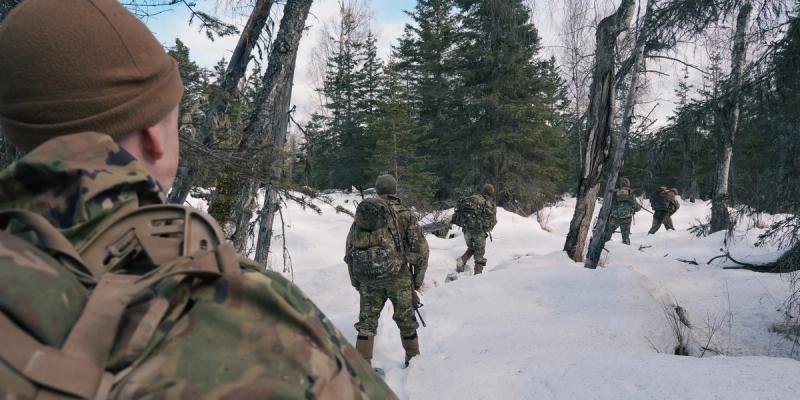
The incident occurred on Thursday, April 16, during a land navigation training event in Arctic Valley, a remote, restricted-access part of JBER's training area.
Both soldiers were equipped with bear spray and deployed it during the encounter. The men sustained serious injuries but were promptly treated and, according to a Monday statement from the Army, have since been discharged from an Anchorage hospital.
The Investigation and Immediate Response
The Alaska Department of Fish and Game (ADFG) is investigating what it described as a defensive attack by a bear that had likely recently emerged from a den. First responders did not see the animal when they arrived, and the area was immediately closed to recreational activity pending the completion of the inquiry.
Wildlife officials directly attributed the soldiers' survival to their preparation.
“In this case, having bear spray with them in the field may have saved their lives,” said ADFG Regional Supervisor Cyndi Wardlow.
While the Soldiers initially reported the animal as a brown bear, Fish and Game staff collected genetic evidence at the scene to definitively confirm the species and gender of the bear, and to determine whether its DNA had been previously collected during prior research.
Coexisting With Wildlife at JBER
That the encounter happened at all is perhaps unsurprising to anyone familiar with JBER's remarkable natural footprint. The installation's Conservation Program is responsible for managing and protecting roughly 85,000 acres of land, overseeing forestry, fish and wildlife management, outdoor recreation, and cultural resources.
JBER is home to 39 species of mammals, 162 species of birds, 12 species of fish, and one amphibian—supporting populations of moose, wolves, bald eagles, loons, rainbow trout, all five species of Pacific salmon, and the endangered Cook Inlet beluga whale.
The Air Force takes that stewardship seriously: JBER is relatively undeveloped and provides important habitat for local wildlife, adjacent to the third-largest state park in America. Both black bears and brown bears share the base's terrain, and both are capable of dangerous encounters.
Up to 350 black bears and 75 brown bears roam freely within JBER's perimeter. The two species require different threat assessments: black bears are generally more likely to be deterred, while brown bears, especially those fresh out of hibernation and protective of cubs or food, can be far more aggressive.
The remote training areas of installations like JBER are, paradoxically, among the most pristine wildernesses in Alaska precisely because they see fewer people. With the exception of bombing and weapons ranges, the restricted access means the land stays largely undisturbed, and the wildlife that call it home are accustomed to having it that way. A Soldier on a land navigation course may be the first human some of these animals have encountered in months.
A Tragic History and Strict Safety Protocols
Unfortunately, this wild environment comes with inherent risks. In May 2022, 30-year-old Staff Sgt. Seth Michael Plant was killed when he was attacked by a bear during a training incident near the same base. Because of this history, wildlife guidance on base treats all bear species as potentially dangerous and mandates a strict response: carry bear spray, keep it accessible, and know how to use it.
That guidance proved sound in Arctic Valley last Thursday. As spring warming brings increased bear activity across the state, wildlife officials are using this incident to urge anyone working or recreating in bear country to carry deterrents and be prepared to fight back.
Continue Reading

VA Reopens 1 Million GI Bill Cases: Are You Owed More Benefits?
Veteran Benefits
Missing Monthly GI Bill Enrollment Verification Can Stop Your Housing Payment
Veteran Benefits

Inside Trump's Psychedelics Executive Order: What It Means for Veterans With PTSD
Veteran Benefits
Join the Conversation

BY MICKEY ADDISON
Military Affairs Analyst at VeteranLife
Air Force Veteran
Mickey Addison is a retired U.S. Air Force colonel and former defense consultant with over 30 years of experience leading operational, engineering, and joint organizations. After military service, he advised senior Department of Defense leaders on strategy, readiness, and infrastructure. In additi...
Credentials
Expertise
Mickey Addison is a retired U.S. Air Force colonel and former defense consultant with over 30 years of experience leading operational, engineering, and joint organizations. After military service, he advised senior Department of Defense leaders on strategy, readiness, and infrastructure. In additi...