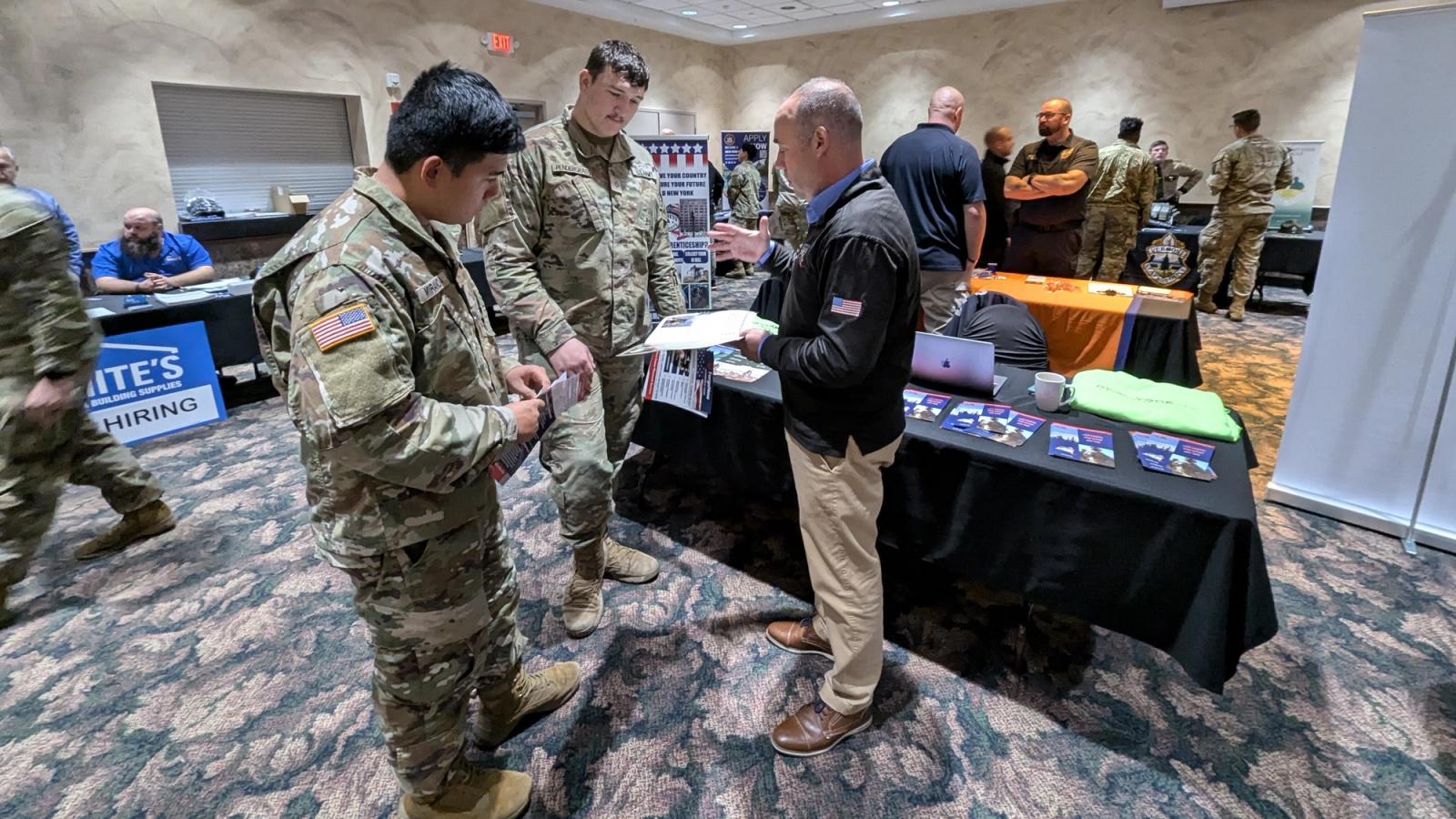
Is the Military Still a Good Career From 2026 and Beyond? A Realistic Look

Over 160,000 new recruits joined the U.S. military in 2025 alone — but is joining the military actually a good career move?
You’ve probably heard completely opposite opinions.
Some people say it sets them up for life. Others say it was one of the hardest things they’ve ever done. And, like in many situations in life, two things can be true at the same time. Especially when it comes to joining the military.
The military can be a strong career path, but it’s not a simple yes-or-no decision. It depends on what you want out of life, what you’re willing to give up, and how you handle structure, pressure, and uncertainty.

Why People Still Join the Military
People don’t join for just one reason. My husband didn’t join the Marines, leave the Marines, try civilian life, and then join the Army for one reason.
For some, it’s about serving their country and being part of something bigger than themselves. It’s something a lot of civilian jobs just don’t offer. We certainly didn’t reenlist in the military for the feelings of chaos it brings.
For others, enlisting in the military is more about practicality:
- A steady paycheck
- Housing
- Healthcare coverage
- Education benefits
With rising living costs and student debt, the military can feel like a reliable way to get ahead, or at least to find some financial stability.
For some, it’s simply to find some direction. The military gives you a clear path, expectations, and structure, which can be a huge benefit if you feel stuck or unsure about what to do next.
Military Pay and Benefits in 2026
One thing that surprises a lot of people is how much the “total compensation” actually adds up.
Base pay is only part of it. When you include housing allowance and food allowance, your income can be much higher than it looks on paper — in 2025, military members saw a 4.5% increase in their base pay alone.
Healthcare is another major benefit. Active-duty service members and their families are usually covered, which can save a lot compared to civilian insurance.
Then there’s education.
The GI Bill can cover tuition, housing, and other costs. A lot of people use it to earn a degree after they get out, and some even use it while they’re still serving.
If you’re thinking long term, this is one of the biggest advantages of joining.
Which Military Branch Is Right for You?
Answer 10 questions to discover which branch of the U.S. Armed Forces best matches your personality, interests, and goals.
10 questions · ~2 min
What Daily Life as an Active Duty Service Member Is Really Like
This is the part people tend to underestimate.
Active duty military life is structured and demanding. You don’t have the same flexibility you would in a typical civilian job.
You may have to:
- Move every few years
- Work long or unpredictable hours
- Spend time away from family during deployments and training
For some, that lifestyle works.
For others, it becomes stressful over time, especially if they are married or have kids. Being away for long periods can put real pressure on relationships.
There’s also the mental health side of things. Stress, anxiety, and burnout are real, and being a part of the military doesn’t make it any easier to overcome. Though the military has gotten better about providing support for those who need it, it’s still something you need to take seriously before joining.
Career Opportunities and Skills After the Military
A big question people have is whether joining the military will actually help them later in life.
In many cases, the answer is yes.
The military trains people in areas like:
- Cybersecurity
- Engineering
- Aviation
- Healthcare
- Logistics
These skills can transfer well into civilian careers. You gain leadership experience and discipline, which employers value.
Not every job translates easily. Some roles are very specific to military operations, and you might need additional training or certifications after you get out.
It’s important to think ahead. The job you choose matters, especially if you plan to transition to civilian work later.

Reenlisting in the Military: Is It Worth Staying In?
If you’re already in or thinking long term, reenlisting is a big decision.
After your first contract, most military members usually have a much clearer picture of what military life is actually like. At that point, the question shifts from “Should I join?” to “Should I stay?”
There are benefits to reenlisting, even in 2026:
- Higher pay as you gain rank and time in service
- Retention bonuses in certain career fields
- More specialized training and responsibility
- Progress toward a military pension
For some, reenlisting makes sense because they’ve found stability and a career path they’re happy with. The longer they stay, the more the benefits start to stack up.
But there are trade-offs.
The same challenges don’t go away.
Deployments, relocations, and time away from family can become harder over time, not easier.
If you’re married, your spouse may have their feelings too. Did they finally land the job they don’t want to lose for the fourth move? (Those military spouses who say it gets easier — know it isn’t the norm.)
What felt manageable as a newly married 20-year-old might feel very different at 30, especially if your life situation changes.
Some people choose to reenlist because they genuinely enjoy the work and lifestyle. Others stay because it feels like the safer, more stable option.
Neither choice is wrong, but it’s important to be honest with yourself about why you’re staying.
Pros and Cons of a Military Career in 2026
When you really break it down, the decision comes down to trade-offs.
Pros:
- Steady income and benefits
- Paid education opportunities
- Job training and career skills
- Clear structure and advancement
- Sense of purpose and teamwork
Cons:
- Limited personal freedom and flexibility
- Frequent moves and deployments
- Time away from family
- Mental and physical stress
- Unpredictable lifestyle
There’s no way around it. Service members — and their families — gain a lot, but they also give up a lot.
Is the Military a Good Career Choice in 2026?
The military is still a solid career option in 2026, but it’s not for everyone.
As a military brat of 20 years and a military spouse of 13, I can tell you, we can’t imagine what life would look like outside of this lifestyle. Yes, it’s hard. Yes, my husband works harder than I’ve ever seen, but the lessons we’re teaching our children, the career satisfaction my husband has, and the way that I’ve learned to live my life — I have to thank our time in the military for.
The best thing you can do is look at your own priorities.
- Do you want stability or flexibility?
- Are you okay with moving and being away from home?
- Do you want a structured path or more independence?
- Are you comfortable with serving your country as needed?
Answering those questions honestly will tell you more than any article can and it still may not make the decision any easier, but it can get you pointed in the right direction.
Continue Reading

Military Pay in 2026: What Service Members and Veterans Need to Know
Veteran Benefits

After Surpassing 2025 Goals, the U.S. Military Looks to Grow Again in 2026
Operations
Join the Conversation

BY JESSICA GETTLE
Military Spouse & Family Life Writer at VeteranLife
Jessica Gettle is a military spouse of more than a decade, part of the EOD community, and a communications professional with 10 years of experience. She combines her career expertise with a deep, personal understanding of the unique rhythms, joys, and challenges of military life. Driven by a passion...
Credentials
Expertise
Jessica Gettle is a military spouse of more than a decade, part of the EOD community, and a communications professional with 10 years of experience. She combines her career expertise with a deep, personal understanding of the unique rhythms, joys, and challenges of military life. Driven by a passion...