All-Female Veteran Team Will Parachute Into Normandy For D-Day Anniversary

An all-female team of Veterans and first responders will parachute into Normandy next month during ceremonies marking the 82nd anniversary of D-Day, part of an effort organizers say is intended to recognize women whose World War II contributions were often excluded from public remembrance.
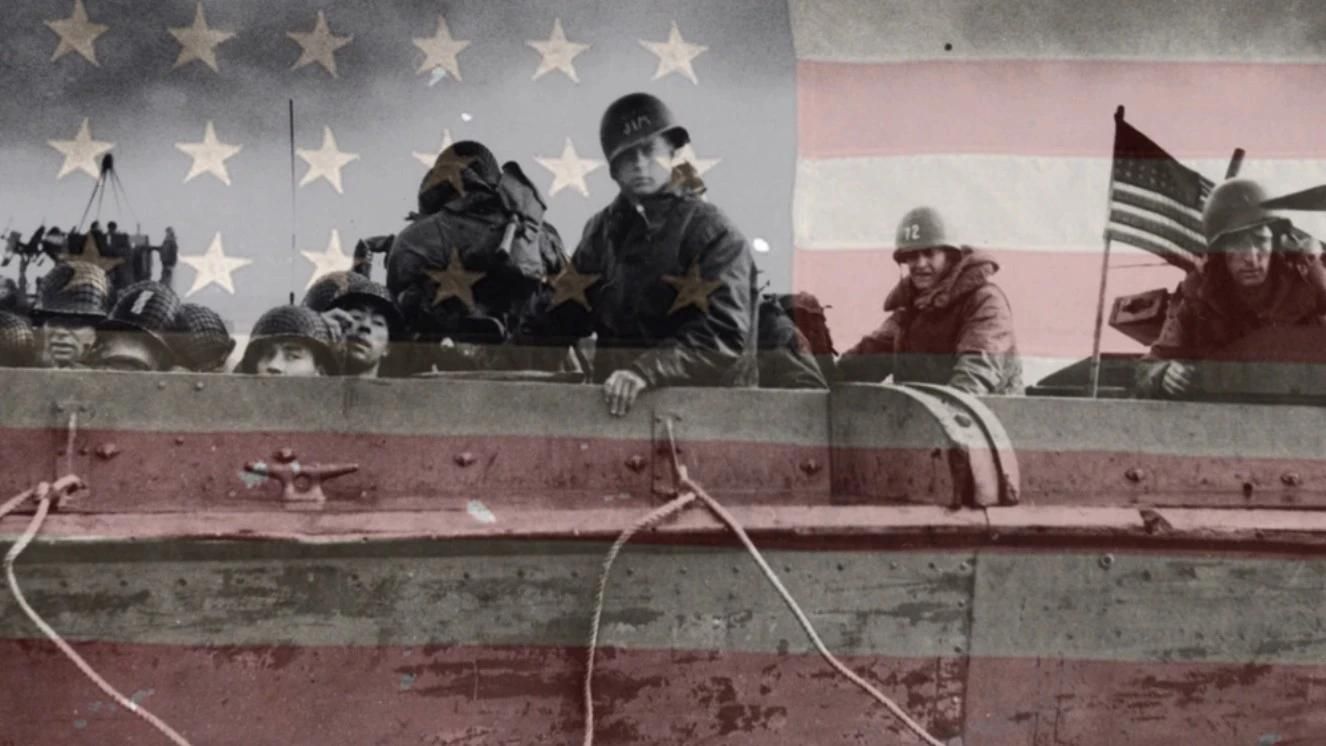
The jump will place modern women Veterans into skies permanently tied to one of the most significant airborne operations in military history. More than 13,000 American paratroopers dropped into Normandy ahead of the beach landings on June 6, 1944, according to the U.S. Army.
For women Veterans, the symbolism is difficult to miss. Major D-Day commemorations have historically centered almost entirely on male combat imagery despite the role women played across wartime intelligence, resistance networks, aviation, medicine, communications, and logistics.
“This jump is for the women who served in silence during WWII,” said Veteran Shirley Baez.

The Normandy Jump Comes as Living D-Day Memory Disappears
Most surviving D-Day Veterans are now in their late 90s or older. That reality has changed the emotional weight of anniversary ceremonies across Normandy in recent years.
Commemorations are no longer simply gatherings for surviving troops. Increasingly, they are acts of preservation carried forward by younger generations of Veterans determined to keep those stories alive before firsthand memory disappears entirely.
Dr. Mary Kate Soliva, another member of the jump team, described herself as “humbled to join this incredible group of warriors” and said she would “stand alongside my sisters-in-arms” during the mission.
The jump itself will last minutes. The meaning attached to it has been building for decades.
Women Were Part of the War Way Before History Caught Up
Women did not serve as American combat paratroopers during D-Day. But women operated throughout the war effort across Europe as resistance couriers, intelligence personnel, cryptographers, pilots, nurses, and communications specialists. Some women serving with Britain’s Special Operations Executive parachuted into occupied France to coordinate underground resistance operations under the threat of capture, torture, or execution.
Among the most famous was Noor Inayat Khan, an SOE wireless operator who was eventually captured and executed at Dachau after transmitting communications for the French Resistance in occupied Paris. Yet D-Day remembrance has historically centered almost exclusively on male combat imagery.
That imbalance remains visible even in modern ceremonies. During the international commemorations tied to the 80th anniversary of D-Day in 2024, Associated Press coverage of the airborne jumps noted that among the participants, “the only woman was 61-year-old Dawna Bennett.” One woman. That detail says something larger about who military history tends to place at the center of remembrance.
The Normandy mission, supported by organizations including the Veterans of Foreign Wars and the Fox Force Foundation, intentionally connects modern women Veterans to wartime women whose contributions often existed outside official recognition.
“We see, remember, and honor the women who risked everything for the cause of freedom in World War II,” Fox Force Foundation founder Toni Lavery said in announcing the event.
That broader historical framing is what gives the jump institutional and emotional weight.
Airborne Culture Left Little Room For Women For Decades
For generations, airborne identity existed almost entirely inside male combat culture. Beyond policy, it shaped military storytelling, recruiting imagery, public memory, and perceptions about who belonged inside elite military spaces.
Women served throughout the armed forces while remaining largely excluded from the combat traditions that carried the greatest cultural visibility.
Shirley Baez said, “The men of D-Day deserve every bit of honor they’ve received. But women were part of this war too, and too many of their stories disappeared into the background.”

Now, women Veterans are entering those spaces with far greater visibility than previous generations ever had. History, however, tends to move more slowly than policy. This is where military families and Veterans often notice the disconnect most clearly. Women carried operational burdens throughout wartime service, yet public remembrance frequently narrowed military sacrifice into a smaller and more familiar set of images.
The stories institutions elevate shape who younger generations imagine belongs in uniform. They also shape which Veterans feel recognized after service and which quietly disappear into the margins of military history.
The Emotional Weight of Normandy Still Hits Hard
Veterans who travel to Normandy often describe the same thing: the terrain changes your understanding of the war. The hedgerows feel tighter than expected. The villages sit closer together. The drop zones become harder to comprehend once visitors understand how young many of the original paratroopers were when they landed there under enemy fire before dawn.
Commemorative jumps are not treated casually within airborne culture for that reason. They are acts of remembrance tied to places where thousands died. And while public attention often focuses on the spectacle of parachutes over Normandy, many Veterans participating absorb substantial personal costs to make these commemorations happen at all, including travel, equipment preparation, training, and time away from work and family.
The public sees the ceremony. It rarely sees the private commitment required to preserve military memory once the generation that lived it is gone.
The Jump Expands the Historical Picture
Organizers say the mission broadens recognition of the women whose wartime service often remained outside official narratives despite the risks they carried throughout the conflict. The men who stormed Normandy remain central to the story of June 6, 1944. But broadening the lens forces military history to become more complete and more honest about the scale of sacrifice global war demanded from entire populations, not only frontline infantry units.
Next month, when these women step out over Normandy, they will enter skies tied forever to one of World War II’s defining operations. For decades, many women’s stories from that war remained largely outside the center of public remembrance beneath those same skies.
Continue Reading
Veterans Return to Normandy to Celebrate the 80th D-Day Anniversary
Military History

Inside the First All-Female Honor Flight: A Moment Decades in the Making
Lifestyle
Women Veterans Day: Honoring Female Service Members
Lifestyle
Join the Conversation

BY NATALIE OLIVERIO
Veteran & Senior Contributor, Military News at VeteranLife
Navy Veteran
Natalie Oliverio is a Navy Veteran, journalist, and entrepreneur whose reporting brings clarity, compassion, and credibility to stories that matter most to military families. With more than 100 published articles, she has become a trusted voice on defense policy, family life, and issues shaping the...
Credentials
Expertise
Natalie Oliverio is a Navy Veteran, journalist, and entrepreneur whose reporting brings clarity, compassion, and credibility to stories that matter most to military families. With more than 100 published articles, she has become a trusted voice on defense policy, family life, and issues shaping the...